
An ALTA survey often enters the process when a deal already feels close to the finish line. Financing is lined up, timelines are set, and everyone expects a smooth closing. Then the survey comes in, and suddenly things pause.
In Philadelphia, this happens more often than most buyers expect. The issue is not the survey itself. It’s what the survey reveals once everything is laid out clearly.
This is where deals either stay on track or start to stall.
Why Philadelphia Properties Create More Complications
Philadelphia has a long history of dense development. Properties were divided, combined, and modified over decades, sometimes without clean documentation. What exists on paper doesn’t always match what sits on the ground.
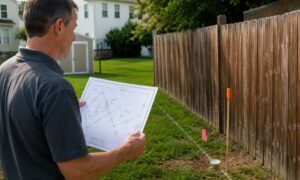
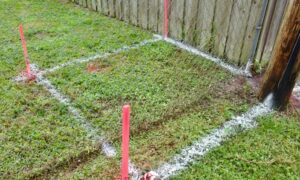
You see this in older neighborhoods where lot lines feel tight and irregular. A fence might have been in place for years, but it doesn’t align with the actual boundary. A shared driveway may function smoothly between neighbors, yet there’s no recorded agreement to support it.
The city’s soil conditions also play a role. Clay-heavy ground can shift slightly over time. It’s not dramatic, but it’s enough to affect how features like walls, fences, and drainage paths appear in relation to property lines.
Add in steady rainfall and aging drainage systems, and you get properties that behave differently than their original plans suggest.
What Actually Triggers Delays During an ALTA Survey
Most delays come down to timing and expectations. A lot of the time, the survey just gets ordered later than it should. It usually happens because no one stops to think about when to order an ALTA survey for a property deal while everything still feels on track.
Once it finally comes in, it brings a level of detail no one has really looked at yet. That’s when things start to slow down.
Lenders begin asking for clarity. Attorneys want everything backed up with the right documents. Buyers want to know exactly what they’re getting into. If something doesn’t line up, the deal pauses until it gets worked out.
It’s not about mistakes. It’s about seeing the full picture for the first time instead of relying on assumptions.
When Easements Don’t Match What’s on Site
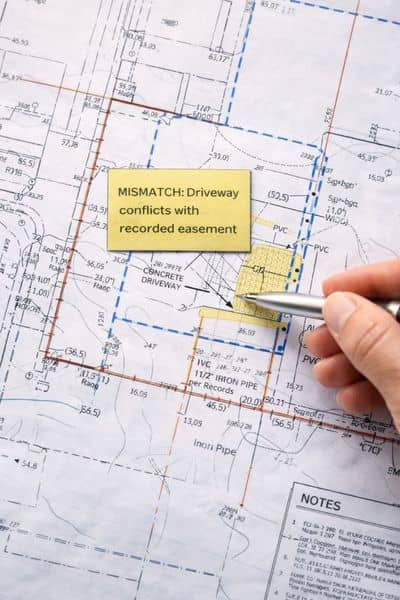
One of the more common issues in Philadelphia involves easements that don’t reflect how the property is actually used.
A utility easement might run through an area that’s now paved or built over. A shared access path might exist in practice but not in recorded documents. These mismatches create questions that need answers before a deal can move forward.
The survey brings those inconsistencies into view. Once they’re documented, they can’t be ignored.
Encroachments in Tight City Lots
Philadelphia properties often sit close together. That leaves little room for error.
A small structure crossing a boundary line might not seem like a big deal during everyday use. It becomes one when it shows up on an ALTA survey tied to a financial transaction.
Encroachments can involve fences, additions, retaining walls, or even parts of a building. Once identified, they need to be addressed. That can mean agreements between neighbors, revisions to the deal, or in some cases, walking away.
Access That Works Physically but Not Legally
Access issues are another common source of delay.
A driveway may look usable. A rear alley may seem open. But if there’s no legal right supporting that access, lenders hesitate.
Philadelphia has many properties that rely on shared or informal access routes. These arrangements may have worked for years without conflict. The ALTA survey forces a closer look at whether those arrangements are actually backed by recorded rights.
If they’re not, the deal slows down until the situation is clarified.
Drainage and Surface Water Concerns
Water movement across a property is easy to overlook until it becomes part of a formal survey.
In Philadelphia, rainfall combined with older infrastructure can create drainage patterns that cross property lines or collect in low areas. An ALTA survey documents these conditions, especially when they affect usability or future development.
For buyers planning improvements, this matters. It affects grading, design, and potential permitting. For lenders, it adds another layer of risk to evaluate.
Why These Problems Show Up Late
Most early-stage property evaluations rely on visuals and basic records. They don’t connect every legal and physical detail.
An ALTA survey does.
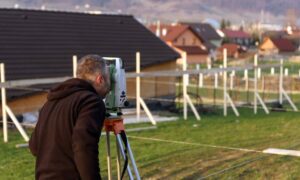
It combines measurements from the field with title data and recorded documents. That level of detail often comes in near the end of the process, which is why issues feel like surprises.
They aren’t new problems. They just haven’t been fully examined until that point.
A Different Approach That Keeps Deals Moving
Some buyers and developers treat the ALTA survey as a formality. Others use it as a planning tool.
Ordering the survey earlier changes how the process unfolds. It gives you time to review what’s actually on the property before negotiations are locked in.
That shift matters in Philadelphia, where older properties and tight layouts leave less margin for error.
It also connects naturally with earlier steps like reviewing boundary conditions or handling due diligence. If those pieces are already in motion, the ALTA survey becomes a confirmation step rather than a disruption.
Where This Fits in the Bigger Picture
If you’ve already explored topics like boundary survey before buying land, due diligence survey requirements, or property line survey mistakes before renovating, this is the next step.
Those surveys focus on specific aspects of a property. An ALTA survey brings everything together in a format lenders accept and rely on.
That’s why it carries more weight. It’s not just another report. It’s the one that ties legal and physical details into a single picture.
Moving Forward Without Surprises
Real estate deals in Philadelphia move fast until they don’t. The pause usually comes when something unclear surfaces at the wrong time.
An ALTA survey helps avoid that, but only if it’s brought in early enough to be useful.
Treating it as part of your upfront planning gives you space to deal with real conditions on the property without pressure from closing deadlines.
That alone can be the difference between a smooth transaction and one that drags on longer than expected.