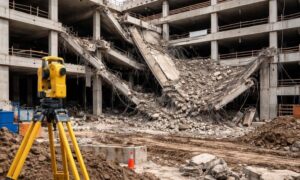
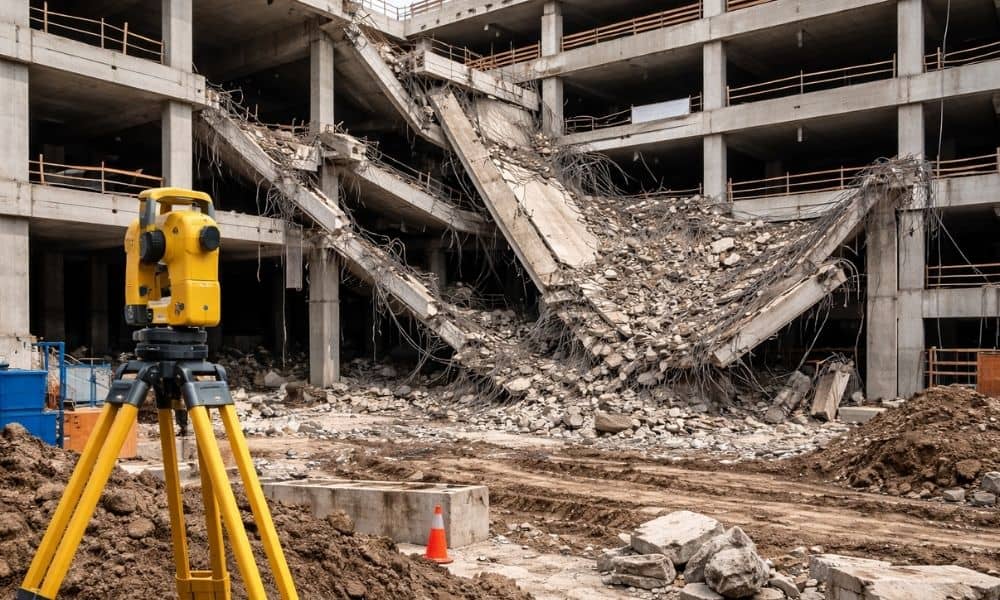
A parking garage under construction in Grays Ferry recently collapsed, and it caught a lot of attention across Philadelphia. At first, it may seem like a rare construction issue. However, it points to something much bigger. Projects do not fail overnight. Instead, problems often begin long before the first piece of equipment arrives on site.
If you are planning to build, dig, or improve a property, the early steps matter the most. Land surveying before construction begins is one of those steps that often gets overlooked, but it can make a huge difference. It helps everyone understand the site clearly from the start, so there are fewer surprises once work gets going. Because of that, it can prevent mistakes that are hard and expensive to fix later.
Why This Collapse Matters Beyond the Structure
When people hear about a collapse, they often think about materials or structural design. However, the real story usually starts earlier. Planning decisions shape everything that follows. If those decisions rely on weak or unclear information, the entire project feels the impact.
In a city like Philadelphia, this risk grows even more. Sites are tight, buildings sit close together, and access can be limited. Because of that, there is little room for error. Even a small misunderstanding about the site can create bigger issues as work moves forward.
This is why early clarity matters. Before anything gets built, the ground, layout, and surrounding conditions must be clearly understood.
Where Land Surveying Comes Into Play
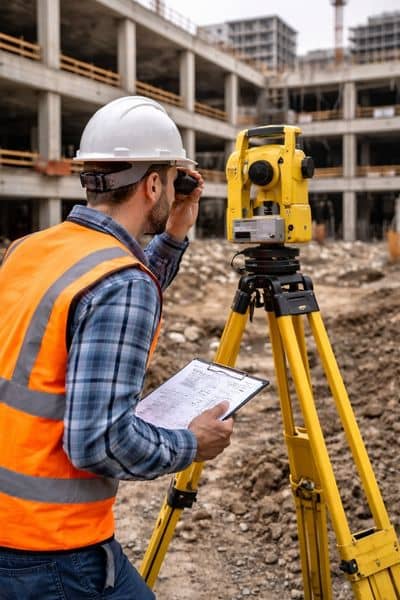
Many people think land surveying only deals with property lines, but it actually does much more than that. It gives you a clear picture of how a site really looks and works in real life. That’s how land surveying helps you plan a project—you’re not guessing, you’re working with real information from the start.
For example, it helps teams see if their plans truly match the ground. It also shows spacing, layout, and how the site connects to nearby structures. Because of that, designers, contractors, and owners can all stay on the same page.
Without that shared understanding, confusion can happen quickly. On the other hand, when everyone is working from accurate information, the project has a much stronger start and far fewer surprises along the way.
When Plans Do Not Match the Real Site
At the beginning of a project, drawings often look clean and simple. However, the real site can tell a different story. If teams rely only on assumptions, they may run into problems once work begins.
For instance, equipment may not fit where expected. Crews may need to adjust layouts in the field. Because of that, work slows down, and costs start to rise. What seemed like a small issue at first becomes a larger setback.
On the other hand, when land surveying is done early, teams can trust that their plans reflect real conditions. This reduces guesswork and helps avoid costly changes during construction.
Why Tight Urban Sites Increase the Risk
Philadelphia has many compact and busy neighborhoods. Buildings often sit close to each other, and open space is limited. Because of that, every detail must be planned with care.
In these conditions, even a small misstep can affect how the entire site works. Crews need to know where equipment can go, how materials will move, and how much space is truly available. If that information is unclear, delays are likely to follow.
However, land surveying helps remove that uncertainty. It shows how the site actually functions, not just how it appears on paper. As a result, teams can plan better and avoid problems before they start.
How Small Issues Grow Into Bigger Problems
At first, a small mistake may not seem like a big deal. However, construction happens in stages, and each step builds on the last one. Because of that, early errors tend to grow over time.
For example, if something is slightly off at the start, it can affect layout, positioning, and later work. Fixing it down the line often takes more time and money. In some cases, it may even require redoing completed work.
This is why early accuracy is so important. Land surveying helps catch issues before they spread. It keeps the project aligned from the very beginning.
Why Teams Need One Clear Source of Truth
Construction projects involve many different people. Owners, designers, and contractors all play a role. Because of that, everyone must work from the same set of information.
If different teams rely on different data, confusion can quickly follow. One group may follow one version of the plan, while another uses something else. As a result, work does not line up, and delays happen.
Land surveying helps solve this problem. It provides a clear and reliable reference for everyone involved. With that shared understanding, teams can work together more smoothly.
The Risk of Skipping Early Steps
Some people try to move quickly by skipping early planning steps. While that may seem faster at first, it often leads to bigger problems later. Without clear site information, decisions become harder to trust.
This can lead to delays, added costs, and miscommunication. In contrast, taking the time to understand the site upfront creates a stronger path forward. Land surveying supports that process by giving accurate and dependable data from the start.
What Property Owners Should Take From This
The Grays Ferry collapse serves as a reminder. Construction risks do not only come from what happens on site. They often begin during planning, when key details are missed or misunderstood.
For property owners, this means one thing. Do not rely on assumptions when starting a project. Instead, begin with clear and accurate information.
Land surveying helps provide that clarity. It supports better planning, smoother coordination, and more confident decisions. When the early steps are done right, the rest of the project has a much better chance of success.