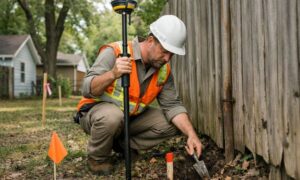
Philadelphia is rethinking how it plans, reviews, and approves projects. City teams want fewer surprises, better coordination, and clearer site data before designs move forward. As a result, the topographic survey now plays a bigger role much earlier in the process. For property owners and project teams, that shift changes how projects start, how fast they move, and how often they need revisions.
This isn’t a theory. It shows up in review comments, meeting notes, and timelines across the city. Because planning has become more data-driven, accurate site information matters sooner. Therefore, projects that rely on old or limited data face more questions and delays.
Planning is starting with the ground, not the drawings
In the past, many teams treated site data as a support item. They would sketch ideas first, then check the ground later. Today, that order causes friction. Philadelphia’s planning approach now expects site conditions to be verified early. As a result, the topographic survey helps shape decisions instead of just backing them up.
This change affects how planners review applications. They want confidence that the site matches the proposal. When drawings assume conditions that the land does not support, reviews slow down. However, when the survey confirms the site early, discussions stay focused and productive.
Why earlier site verification saves time
Projects often stall when reviewers spot gaps between plans and reality. That gap might come from outdated records or partial site data. Either way, it leads to follow-up requests. Each request adds time and cost.
By contrast, teams that start with a current topographic survey reduce those back-and-forth cycles. The survey helps align assumptions across the team. Because everyone works from the same ground truth, designs move forward with fewer surprises.
What has changed for development and redevelopment
Philadelphia sees steady redevelopment, especially on sites with long histories. Over time, sites change. Grades shift. Features move. Records fall behind. Therefore, planners look more closely at what exists today.
For redevelopment projects, this matters a lot. A survey that reflects current conditions helps reviewers trust the proposal. It also helps designers avoid rework. When the land matches the drawings, approvals tend to move faster.
New development feels this shift too. Even on simpler sites, planners expect clarity. When site data arrives late, it forces redesigns. When it arrives early, it guides smarter choices from day one.
The common mistake teams still make
Many teams still assume they can update site data later. They may reuse an old survey or limit the scope to save money. At first, that seems efficient. However, it often leads to delays during review.
When planners ask for clarification, teams must pause and respond. That response may require new field work. Meanwhile, design schedules slip. Costs rise. In contrast, teams that invest early avoid those disruptions.
How the role of the topographic survey has shifted
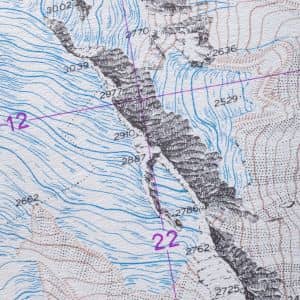
The topographic survey used to sit quietly in the background. Now it drives early conversations. It influences layout decisions. It supports planning discussions. It helps teams address questions before they turn into problems.
This shift does not mean more data for the sake of data. Instead, it means the right data at the right time. A focused survey that reflects current conditions adds value when it arrives early. When it arrives late, it only fixes mistakes.
What smart project teams do differently now
Teams that move smoothly through review share a few habits. First, they order the topographic survey before finalizing layouts. That way, designers work with real conditions, not guesses.
Second, they coordinate early. Surveyors, architects, and engineers align on scope. As a result, the survey supports design needs and planning expectations. Everyone stays on the same page.
Third, they use the survey as a planning tool. Instead of filing it away, they reference it during meetings. They use it to answer questions. They use it to confirm assumptions. This approach builds confidence across the review team.
Why timing matters more than ever
Timing now matters as much as scope. A perfect survey delivered too late still causes delays. On the other hand, a well-timed topographic survey reduces risk across the project.
Early site data helps teams spot issues before they grow. It also helps them explain decisions clearly during review. Because planning moves faster when questions have clear answers, early surveys protect schedules.
What this means for property owners
Property owners feel these changes too. When projects stall, carrying costs increase. When designs change late, budgets stretch. Therefore, starting with accurate site information protects more than the drawings. It protects the investment.
A topographic survey now supports smarter decisions from the start. It helps owners understand their site. It helps teams plan with confidence. It helps projects move forward with fewer interruptions.
Looking ahead
Philadelphia’s planning push reflects a broader trend. Cities want clearer data. They want fewer surprises. They want projects that match the land they sit on. Because of this, the role of the topographic survey will continue to grow.
Projects that adapt to this shift will move faster and with less stress. Projects that ignore it will face more questions and more revisions. The difference often comes down to when teams choose to understand the ground beneath them.
Final thoughts
Planning no longer starts on paper. It starts on the site. Philadelphia’s evolving approach makes that clear. By using a topographic survey early, project teams reduce risk, improve coordination, and keep schedules on track.
If you plan a project, treat the survey as a starting point, not a formality. When you understand the land first, everything that follows becomes clearer.