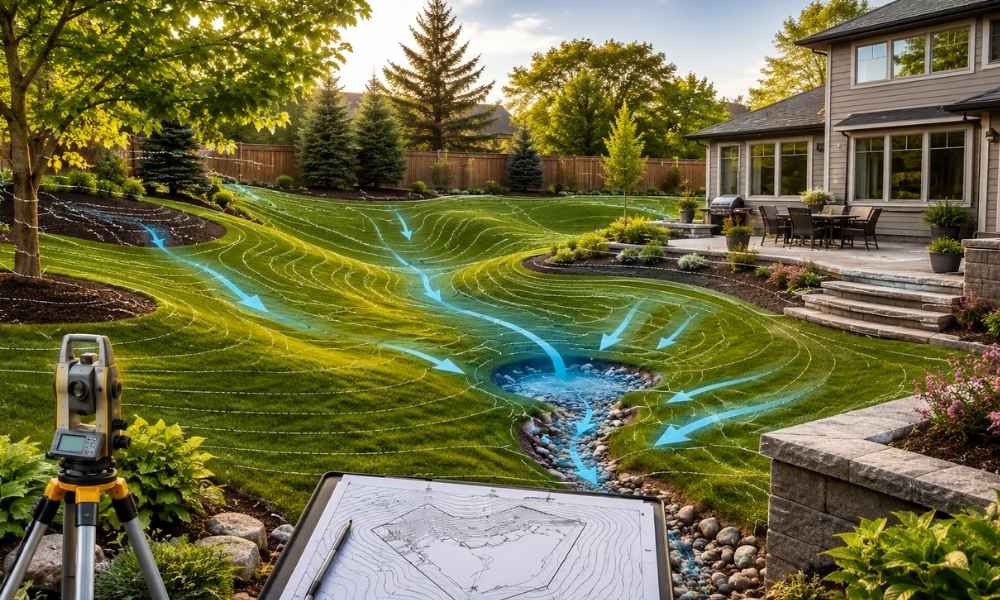
A topographic survey does more than map your land. It shows where water goes when it rains. For developers planning outdoor improvements, that information matters before a single shovel touches the ground.
Poor drainage is one of the most common and costly problems in landscaping projects. It damages foundations, floods patios, and ruins plantings. A topographic survey gives you the elevation data needed to avoid those problems before they start.
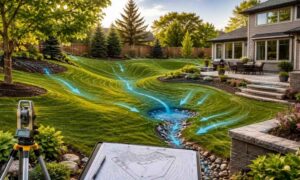
How a Topographic Survey Reveals Water Movement Across a Backyard
Rainwater follows gravity. But the path it takes across a yard is rarely obvious from a visual walkthrough.
A topographic survey captures elevation changes across the entire property. Even a six-inch drop in grade can redirect water toward a structure instead of away from it. These small differences rarely show up to the naked eye. They show up on survey data.
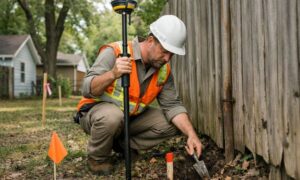
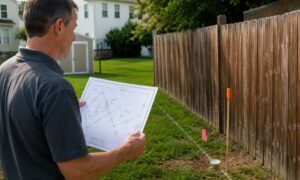
Survey crews measure the land using instruments that record precise elevations across a grid of points. Those points are then used to create contour lines showing exactly how water will flow across the site.
For Pennsylvania properties, this matters especially in spring. Snow melt combines with heavy rain to push large volumes of water across yards fast. Without knowing how the land drains, landscaping plans can unintentionally channel water toward basements, neighbor lots, or newly built outdoor structures.
A topographic survey removes the guesswork. It tells you where the water is going now, before you change anything.
Identifying Hidden Wet Areas Before Installing Patios, Gardens, or Outdoor Features
Some backyards have low spots that hold water for days after a storm. You might not notice them during a dry summer site visit. A survey will find them regardless of weather or season.
These low areas affect every outdoor improvement decision. They include:
- Patio placement. A patio built over a low spot will puddle and erode over time.
- Garden beds. Plants placed in poorly drained soil are prone to root rot.
- Fire pit areas. Standing water near a fire feature creates a safety and maintenance issue.
- Retaining walls. Building a wall in a drainage path without accounting for water pressure leads to structural failure.
A topographic survey identifies these wet zones early. Developers can then adjust placement, add drainage infrastructure, or redesign the layout before construction begins. That saves both time and money.
Why Backyard Grading Decisions Depend on Accurate Elevation Data
Most landscaping projects involve some grading. Adding topsoil, leveling a lawn, building raised beds, or installing a pathway all change how the land sheds water. Without knowing the existing grades, contractors are working blind.
Accurate elevation data from a topographic survey gives landscape designers and contractors a baseline. They can see:
- Current slope direction and degree
- Areas where grading changes could concentrate runoff
- Spots where new features might block natural drainage paths
In Pennsylvania, the Department of Environmental Protection has stormwater management requirements for land disturbance above certain thresholds. Grading changes that affect drainage can trigger permit obligations. A topographic survey supports compliance by documenting existing conditions before work begins.
Contractors working without survey data often have to revise their plans mid-project. That leads to delays and added costs. Starting with accurate grades prevents that.
Using a Topographic Survey to Plan Rain Gardens and Drainage-Friendly Landscaping
Not all drainage solutions involve pipes and concrete. Rain gardens, drainage swales, and bioretention areas are landscaping features designed to absorb and redirect stormwater. They work best when placed in areas that match the natural flow of water across a property.
A topographic survey tells you exactly where those areas are.
Rain gardens are planted depressions that collect runoff from rooftops, driveways, and lawns. They reduce erosion and filter pollutants before water reaches storm drains. Placing a rain garden in the wrong spot, one that does not receive natural sheet flow, reduces its effectiveness.
Drainage swales are shallow, sloped channels that guide water away from structures. Their grading must match the surrounding terrain to function correctly. Survey data makes that possible.
For developers working near streams or wetlands, these features also support compliance with local stormwater ordinances and Act 167 Watershed Stormwater Management Plans. Having a topographic survey in hand strengthens permit applications and shows regulators that drainage was planned thoughtfully.
How a Topographic Survey Supports Long-Term Backyard Improvement Plans
Many developers approach backyard improvements in phases. Phase one might be a patio and retaining wall. Phase two adds a pool or outbuilding. Phase three brings landscaping and lighting.
A topographic survey completed before phase one stays useful through every phase that follows.
The elevation data does not expire. It reflects the existing terrain before any work began. That baseline becomes a reference for every future contractor, designer, or permitting agency involved in the project.
Future additions such as pathways, planting areas, drainage enhancements, or additional structures can all be planned against the original survey data. This avoids conflicts between phases, prevents drainage problems caused by cumulative grading changes, and reduces the need for costly re-surveys down the line.
For developers managing multiple properties, maintaining topographic survey records also simplifies due diligence during future sales or refinancing.