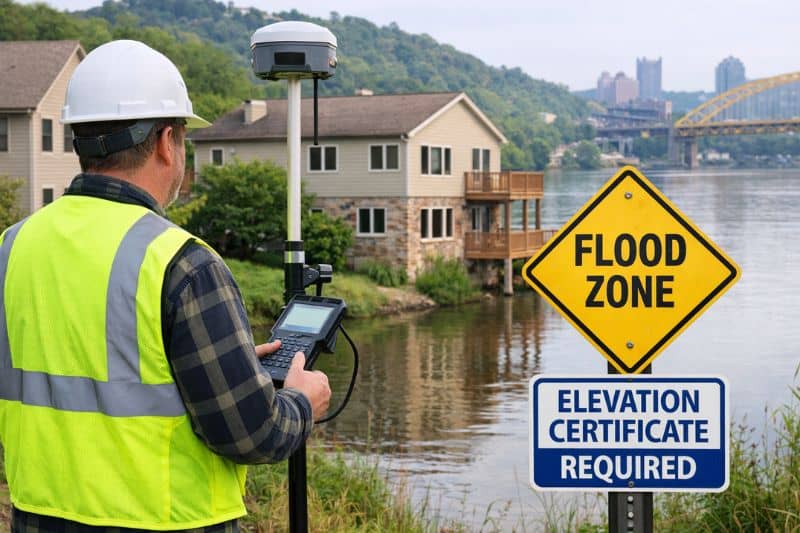
If you own property in Pittsburgh, PA, you may suddenly hear a new term from your insurance agent or lender: flood risk elevation certificate. Even if your home has never been considered at risk for flooding, recent updates to flood maps are changing that.
Across the country, the Federal Emergency Management Agency has been updating flood zone data to reflect more accurate risk levels. In a city like Pittsburgh—known for its rivers, hills, and aging infrastructure—these changes are having a direct impact on homeowners.
Many properties that were once outside high-risk zones are now being reassessed. And with that shift comes a growing need for elevation documentation.
What Changed in Pittsburgh’s Flood Maps?
Flood maps are not static. They evolve based on new data, weather patterns, and development changes. In recent years, updated modeling has revealed that some areas of Pittsburgh face higher flood risks than previously thought.
This is especially true near rivers like the Allegheny, Monongahela, and Ohio, but it also affects inland neighborhoods where drainage systems may struggle during heavy rainfall.
These updates don’t mean flooding is guaranteed—but they do mean risk is being recalculated more accurately.
How FEMA Updates Affect Property Risk Levels
When FEMA revises flood maps, properties can shift between zones. A home that was once in a low-risk area may now fall into a moderate or high-risk category.
This change matters because lenders and insurers rely on these classifications. If your property moves into a higher-risk zone, you may be required to carry flood insurance—even if you never needed it before.
That’s where elevation documentation becomes important. It provides precise data about your home’s elevation relative to expected flood levels.
Why More Homes Now Require Elevation Documentation
As flood zones expand or shift, elevation data becomes essential for determining actual risk. Two homes on the same street may now be treated differently depending on their elevation.
A verified report helps:
- Confirm your actual flood exposure
- Prevent overpaying for insurance
- Support map amendment requests
- Provide clarity during real estate transactions
If you’re unsure where your property stands, a flood zone compliance survey can help clarify whether your home is truly at risk or simply affected by updated mapping.
Common Situations Where You’ll Be Asked for One
In Pittsburgh, homeowners are increasingly being asked for elevation documentation in situations that didn’t require it before.
You might need one if:
- Your property was newly mapped into a flood zone
- You are refinancing your home
- You are selling your property
- Your lender updates insurance requirements
- You want to dispute a flood zone classification
These situations often come with tight timelines, which is why delays can be frustrating.
What Pittsburgh Homeowners Should Do Next
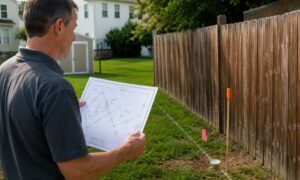
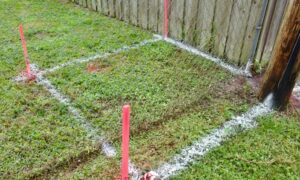
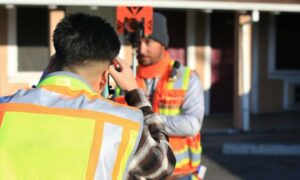
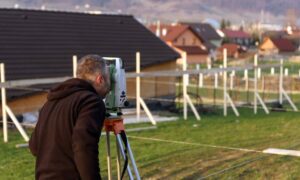
If you’ve been told you need elevation data, the first step is to contact a licensed land surveyor familiar with Pittsburgh’s terrain and flood zones.
Local expertise matters. The city’s elevation changes, river proximity, and older infrastructure all influence how surveys are conducted and interpreted. Working with a property elevation verification service ensures the data collected is accurate and accepted by insurers and lenders.
Getting this documentation now can save time later—especially if you plan to sell, refinance, or adjust your insurance coverage.
It also gives you clarity. Instead of relying on generalized flood maps, you’ll have property-specific data that reflects your actual risk. If you’re unsure about your situation, it’s a good idea to check your home’s flood risk level before it becomes an urgent requirement.