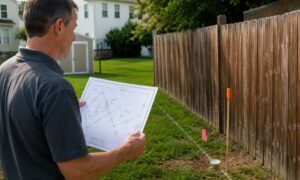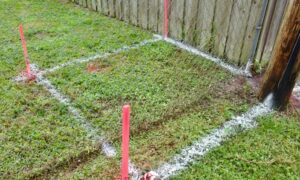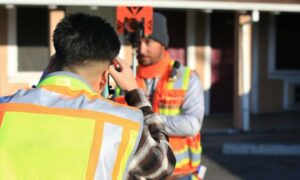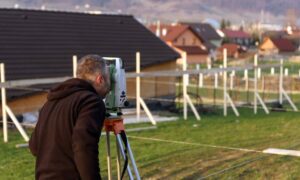
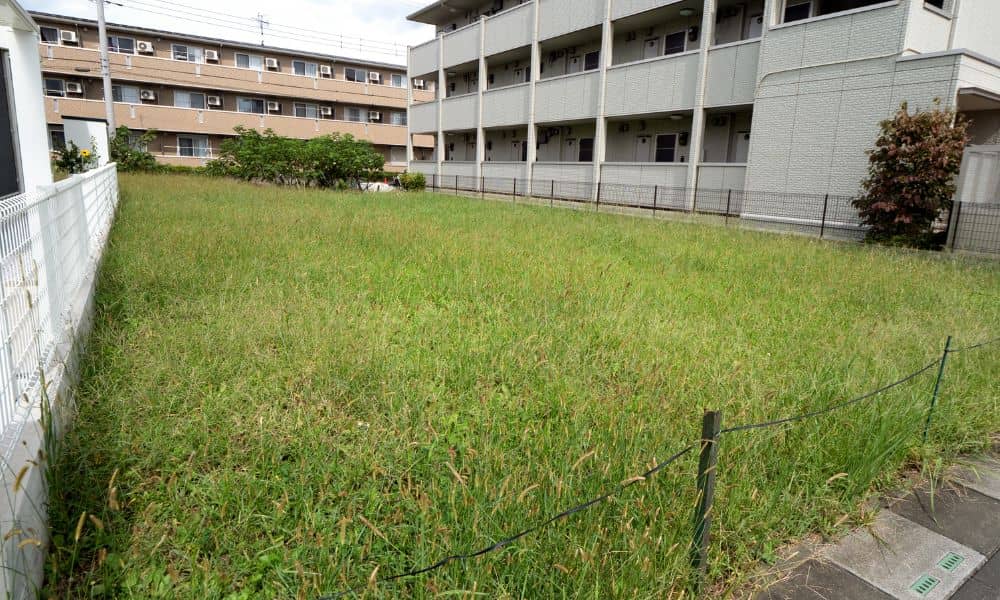
Buying vacant land in Pittsburgh feels exciting. You see an open lot and imagine the home you will build or the investment you will grow. Because nothing stands on the property, it looks simple. No roof to inspect. No plumbing to test. Just land. However, vacant land can hide more questions than a finished house. Before you close on any parcel, you need to understand exactly what you are buying. That is where a boundary survey becomes critical. It does more than draw lines on paper. It tells you whether your plans can move forward without costly changes.
Vacant Land Looks Open, But Boundaries May Not Be Clear
When you stand on an empty lot, it feels wide and flexible. Yet the space you see does not always match the legal property lines.
Many Pittsburgh parcels date back decades. Some were divided long before modern mapping tools existed. Over time, markers shift, monuments disappear, and records pass through many hands. As a result, what looks like a clean rectangle might actually angle inward or taper at the back.
Even a few feet of difference can change how you design your project. Therefore, a boundary survey confirms the true shape and size of the property before you invest in plans, permits, or construction.
Buildable Space Depends on Accurate Property Lines
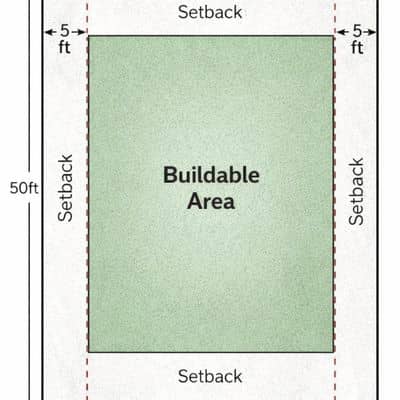
Most buyers focus on lot size. They see the total square footage and assume they can build anywhere inside it. However, zoning rules require setbacks. These rules push buildings away from property lines to create safe spacing between structures.
Because of that, your buildable area shrinks from the outer edges inward.
Now imagine you think your lot measures 25 feet wide. After a boundary survey, you discover it measures 23 feet. That small change affects your entire building footprint once setbacks apply. Suddenly, your layout may no longer fit as planned.
Instead of redesigning after purchase, you can confirm measurements first. A boundary survey gives you the exact numbers your architect or builder needs to plan correctly.
Pittsburgh’s Hills Make Precision Even More Important
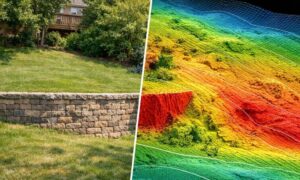
Pittsburgh’s hills create beautiful views, yet they also add complexity. Sloped land limits where you can safely build. You must consider grading, drainage, retaining walls, and foundation depth.
On hillside lots, every foot counts. A slight shift in a boundary line may move your usable area into steeper terrain. That shift can increase excavation costs or change your structural design.
Because terrain already restricts space, guessing at boundaries creates risk. Instead, knowing your exact limits allows engineers to plan safely and efficiently from the beginning.
Legal Access Is Not Always as Obvious as It Looks
Sometimes a vacant lot appears to connect directly to a road. You see open space and assume easy access. Yet legal frontage involves more than visibility.
Older subdivisions in Pittsburgh occasionally created narrow strips or shared alleys. While you might see an entrance point, the deed may not grant full access rights. Without proper frontage, getting permits or utility connections becomes harder.
A boundary survey clarifies where the property meets the street. It also helps confirm whether recorded access exists. That information protects you from buying land that cannot function the way you expect.
Hidden Easements Can Affect Your Plans
Vacant land often hides underground infrastructure. Utility companies may hold easements across parts of the lot. These easements allow them to install or maintain sewer lines, water pipes, or electric systems.
Although you still own the property, you cannot build over certain easement areas. That restriction might cut through the center of your planned structure.
Because easements tie closely to boundary lines, a boundary survey helps show how these areas relate to your buildable space. Knowing this before design prevents major revisions later.
Older Lots May Not Meet Modern Standards
Over time, zoning requirements change. A parcel created decades ago may not meet current minimum width or area standards on its own.
Some buyers discover that their vacant lot qualifies as a “non-conforming” parcel. In certain cases, they must combine it with another lot before building. Without understanding the exact dimensions first, you may assume approval will come easily.
A boundary survey forms the foundation for verifying whether your parcel meets today’s rules. It supports conversations with zoning officials and helps you plan realistically.
Timing Matters Before You Close
Many buyers wait until after closing to order a survey. Unfortunately, that approach shifts all risk onto the new owner.
If you uncover a boundary issue after purchase, you must resolve it yourself. That resolution might require design changes, additional legal review, or even price adjustments that can no longer happen.
By contrast, confirming boundaries before closing allows you to make informed decisions. You can negotiate, adjust your offer, or move forward confidently.
Confidence Starts With Clear Boundaries
Vacant land offers freedom. You can design from the ground up and shape the property to match your goals. Yet that freedom depends on clarity.
A boundary survey removes uncertainty. It confirms the true property lines. It supports accurate setback calculations. It helps engineers and builders plan with precision. Most importantly, it protects you from surprises that could delay or limit your project.
In Pittsburgh, where history and terrain shape every neighborhood, precision matters. Before you buy vacant land, make sure you understand exactly what you own. Clear boundaries today create smoother construction tomorrow.