
Flooding isn’t just a coastal issue. Heavy rain, overflowing rivers, and poor drainage can put almost any community at risk. If you own a home or plan to buy one, you’ll likely hear about a Flood Elevation Certificate. It’s not just paperwork—it’s a tool that directly affects how much you pay for flood insurance.
This applies across the country, but it feels especially important in places like Philadelphia. With two major rivers, older neighborhoods, and storm systems that struggle in heavy downpours, flooding is a real concern. Understanding how this certificate works—and how it ties into your insurance rates—can save you both money and stress.
What Is a Flood Elevation Certificate?
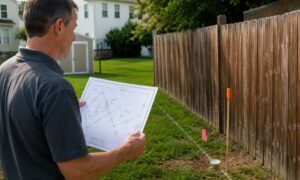
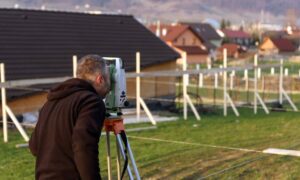
A Flood Elevation Certificate (EC) is an official document prepared by a licensed land surveyor, engineer, or architect. It compares your property’s lowest floor with the base flood elevation (BFE) set by FEMA.
Think of the BFE as the water line expected during a “100-year flood.” If your home sits above that line, you’re safer. If it sits below, you face more risk. The certificate records that difference.
It also lists:
- Your property’s address and flood zone
- Details about the structure, such as basements or crawlspaces
- Elevation numbers measured by a professional
- Foundation type and building materials
Insurers use this data to calculate your true flood risk.
Why Insurance Companies Require a Flood Elevation Certificate
Insurance companies want facts, not estimates. A Flood Elevation Certificate gives them accurate numbers. Without it, they often assume worst-case scenarios, which push premiums higher.
Take Philadelphia as an example. Homes near the Schuylkill River, Delaware River, or Cobbs Creek often show up in high-risk flood zones. But not every home in those areas is the same. Some sit several feet above flood levels. A certificate proves lower risk, and insurers may reduce your rates.
This applies everywhere. The certificate creates a clear risk picture so that premiums reflect facts, not guesses.
How a Flood Elevation Certificate Affects Insurance Rates

Here’s where it impacts your wallet. A Flood Elevation Certificate directly influences your flood insurance cost.
- If your lowest floor sits below FEMA’s flood level, your premiums rise.
- If your lowest floor sits above, your premiums usually drop.
The savings can be big. Imagine paying $2,000 a year for insurance. With a certificate that proves lower risk, your premium might fall to $1,200. Over a 30-year mortgage, that’s tens of thousands saved.
Many homeowners learn their homes are safer than insurers assumed. With proof, their flood insurance rates often fall by hundreds of dollars each year.
When Do You Need a Flood Elevation Certificate?
Not everyone needs one, but there are common situations where it’s required:
- Buying property in a flood zone – Most lenders demand it.
- Refinancing your loan – Especially if federally backed.
- Applying for flood insurance discounts – FEMA’s National Flood Insurance Program (NFIP) uses it to set rates.
- Renovating or building – Local governments often require it for permits.
In Philadelphia, this comes up in neighborhoods like Eastwick, Manayunk, and parts of South Philly. But the same rule applies from Florida subdivisions to Midwest river towns.
How to Get a Flood Elevation Certificate
The process is simple, but it takes planning.
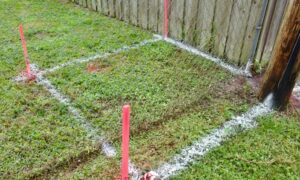
- Hire a licensed land surveyor – Only trained professionals can prepare a valid certificate, and they ensure FEMA guidelines are followed.
- Check with your city or county – In Philadelphia, the Department of Licenses and Inspections may already have certificates for newer or recently renovated homes.
- Ask the seller or builder – If you’re buying a home, the previous owner may already have one.
Costs usually range from $500 to $1,200, depending on property size and complexity. In dense areas like rowhomes, costs may be lower. Larger suburban or rural properties often cost more.
Turnaround time is usually one to three weeks. Some surveyors offer expedited service for an extra fee.
Common Mistakes to Avoid
A Flood Elevation Certificate only helps when it’s current and accurate. Avoid these mistakes:
- Using an old certificate – FEMA updates maps, and old documents may not reflect current rules.
- Relying only on maps – Flood maps show broad zones but not exact property elevation.
- Skipping updates after renovations – Adding a basement or raising your home changes the numbers.
These errors can cost homeowners hundreds of dollars in extra insurance costs every year.
Beyond Insurance: Why the Certificate Matters
Yes, a Flood Elevation Certificate can cut insurance costs. But it also offers other benefits:
- Safety planning – Knowing your elevation helps you decide if floodproofing is needed.
- Property value – Buyers prefer homes with proven lower risk.
- Code compliance – Some cities require certificates before issuing permits.
In Philadelphia, where historic homes sit near rivers and creeks, this certificate helps protect both property values and community safety. But it’s just as useful in coastal states, mountain valleys, and inland towns where flooding happens.
Conclusion:
A Flood Elevation Certificate isn’t just another form. It’s the key to fair insurance rates and peace of mind. It removes guesswork and gives you solid data when negotiating with insurers.
If you live in any other flood-prone community, don’t wait for the next storm. Order your certificate, compare premiums, and use the results to protect your home and your budget.
It’s a small step that can save you money every year while giving you confidence that your home is ready for whatever nature brings.