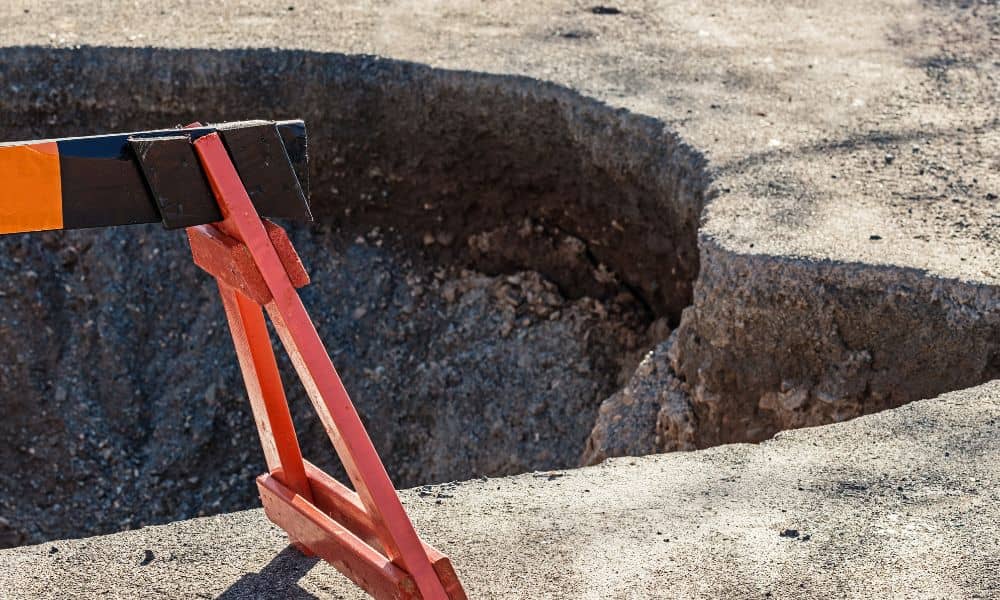
A brand-new neighborhood made headlines last week when a 50-foot sinkhole suddenly opened in the street. Families had to evacuate, and local officials now believe the collapse is tied to historic underground mining. For homeowners, it was a nightmare. For developers, it was a warning sign. Events like these highlight why a due diligence survey isn’t only a requirement but a safeguard against disasters — especially in a city like Pittsburgh.
The Viral News and Why It Matters Here
In the UK case, the shock was clear: these weren’t crumbling rowhouses or century-old buildings. They were new homes, marketed as safe, modern places to live. The collapse quickly went viral because it challenged what people assume about “new builds” — that age equals risk. But as residents know, danger doesn’t always show on the surface.
Our region is shaped by two realities: steep hillsides and a legacy of coal mining. Those layers of geology and history make land development tricky. When a storm dumps heavy rain, slopes move. When an old mine void gives way, roads and homes can sink. Right now, the City of Pittsburgh is even closing Riverview Avenue to repair a landslide-prone stretch. These are not rare occurrences; they’re part of our local landscape.
What Developers and Buyers Often Overlook
Too often, the excitement of breaking ground or closing a deal overshadows careful planning. Builders may trust online maps or skip soil tests to save time. Homebuyers may assume the city checked everything before approving permits. Both assumptions are risky.
- Parcel maps are not surveys. The Allegheny County GIS tool is helpful, but the county itself warns that it isn’t a legal boundary map.
- Stormwater is a hidden trigger. A hillside may look solid until heavy rain saturates the clay and shifts the slope.
- Old mines don’t disappear. Abandoned mines run under neighborhoods across western Pennsylvania, and without investigation, they remain invisible threats.
Ignoring these steps in due diligence often leads to bigger costs later: foundation cracks, retaining wall failures, or even emergency evacuations.
What a Due Diligence Survey Really Delivers
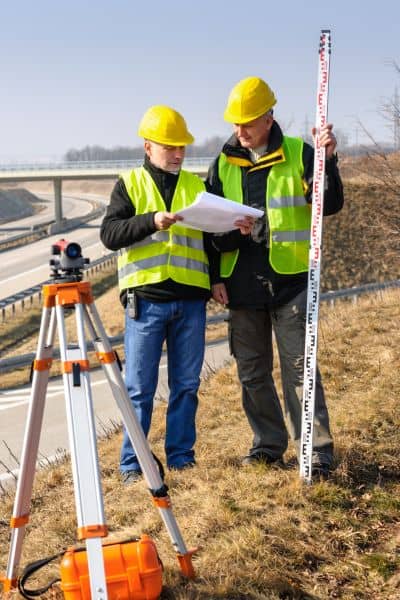
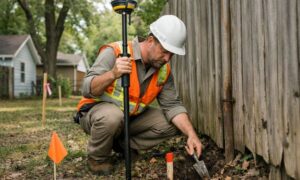
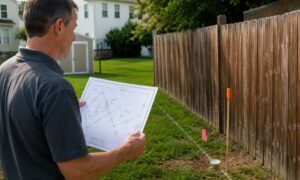
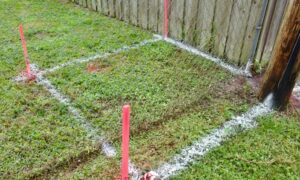
The phrase “due diligence” can sound like legal jargon, but in land development, it’s practical. It means taking the time to confirm that the ground you’re building on is safe and documented correctly. A due diligence survey is more than marking property lines. It combines different checks into one clear report that helps everyone involved — builders, lenders, and buyers — understand the risks.
Here’s how it plays out:
- A surveyor checks historic mine maps to see if voids exist under a property.
- County landslide layers are reviewed to spot areas with a history of slope failure.
- Engineers may drill borings to test soil strength on filled or sloped sites.
- Drainage and stormwater paths are mapped to show where water may cause erosion.
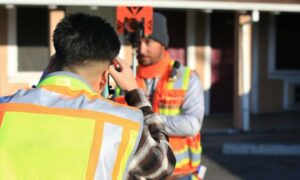
- Survey data is reviewed independently to catch costly mistakes before they happen.
This isn’t about slowing down construction. It’s about building confidence that when you pour concrete or set foundations, you’re not gambling with unknown risks.
The Real Cost of Cutting Corners
Why does this matter so much now? Because it is in the middle of an infill boom. Developers are turning old lots, parking pads, and brownfields into modern homes and townhouses. It’s a positive trend for housing supply, but it’s happening on some of the most complex terrain in the country.
Imagine spending thousands on framing only to watch part of a lot sink after a summer storm. Or worse, imagine closing on a mortgage only to find out your property sits on top of an old mine void. These aren’t hypothetical fears. Local homeowners have faced sudden property damage, legal battles with neighbors, and insurance nightmares when the ground failed beneath them.
A due diligence survey may feel like an added expense, but compared to the cost of repairs, lawsuits, or property value loss, it’s a fraction of the price.
Policy Pulse: What the City Is Doing
The city and county recognize these risks too. The Riverview Avenue closure is one of several active projects focused on slope stability. Local officials know that managing slides and subsidence is a constant effort. But public works can only cover so much ground. For private projects, the responsibility falls on developers, engineers, and surveyors to anticipate hazards before building.
This is where private due diligence connects with public planning. When surveyors and engineers provide accurate reports, city agencies can make better permit decisions. That reduces headaches for developers and increases safety for future homeowners.
Lessons for Homeowners and Builders
So what does this mean if you’re eyeing a teardown, planning a new build, or considering a home on a hillside lot? The lesson is simple: don’t skip the groundwork.
If you’re a developer:
- Order a due diligence survey before committing to plans.
- Share results with your geotechnical engineer and lender.
- Factor slope management into your schedule.
If you’re a homebuyer:
- Ask for survey reports in your closing documents.
- Check if the property is covered by Pennsylvania Mine Subsidence Insurance.
- Look at city and county landslide portals before making an offer.
Knowledge is leverage. It protects your investment and gives you peace of mind.
Conclusion:
The sinkhole story shows how quickly a dream neighborhood can turn into an evacuation zone. In Pittsburgh, with our hillsides and mine history, the risk is even higher. Yet the solution is straightforward: make due diligence surveys a non-negotiable part of development and purchase decisions.
Every builder wants their project to last. Every buyer wants a safe home. Taking the extra step to uncover what lies beneath ensures that neither ends up in tomorrow’s headline.