
Flood insurance is changing in Philadelphia, and FEMA elevation certificates are now getting more attention than ever. Many property owners are surprised to learn that even without a recent flood, insurance companies are asking new questions. Because of this shift, documents that once stayed in a drawer now play a bigger role in insurance reviews, loan approvals, and long-term costs.
So what changed—and why should property owners care?
Why Flood Risk Is Getting More Attention in Philadelphia
Philadelphia has taken steps to improve how it manages flood risk. As a result, insurance companies and lenders are paying closer attention to how properties are classified. These changes connect to larger flood programs that reward cities for better planning and risk control.
However, these programs only work when property data is accurate. Because of that, insurers no longer accept flood documents without review. Instead, they look closely to make sure the information still matches real conditions.
Flood insurance rules did not suddenly change. Still, the way insurers review flood data has shifted. Because of this, elevation information now matters more during policy reviews.
Why FEMA Elevation Certificates Matter More Than Before
In the past, many owners saw elevation certificates as a one-time task. Once completed, the document stayed on file and rarely came up again. Today, that is no longer the case.
Insurers now use FEMA elevation certificates as active tools. They review how a building’s lowest floor compares to flood levels. They also check how spaces inside the building are listed. Because of this, small details can now raise questions.
This does not mean most certificates are wrong. However, it does mean accuracy is more important than ever.
What Is Causing These New Reviews
Many owners ask why this is happening now.
Several reasons explain the change. Flood models continue to improve. Neighborhood drainage systems change over time. At the same time, insurers update their standards to match newer flood data.
Because of this, insurers often compare older certificates with current flood information. When something does not match, they ask for clarification.
This process can surprise owners. Still, it does not always mean a problem exists. It simply means flood documents must meet today’s standards.
Common Issues That Raise Questions
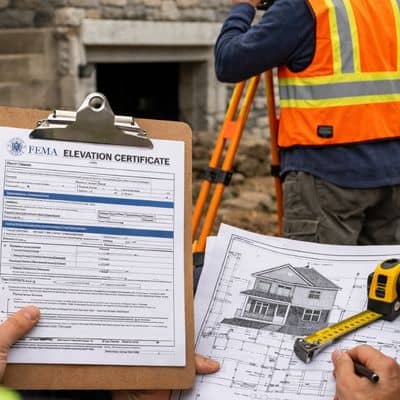
Most reviews do not focus on major mistakes. Instead, they focus on details that affect flood risk ratings.
Here are some of the most common ones:
Lowest floor confusion. Finished basements or enclosed areas often cause issues. If a space looks finished but was listed differently, insurers may question it.
Changes to the building. Converted basements, added rooms, or new utilities can change how flood risk is measured.
Older data references. Some certificates rely on older flood data or reference points that no longer match current maps.
Estimated measurements. In some cases, estimates were used instead of verified measurements. Today, insurers expect precise data.
Each issue may seem small. Together, they can affect how a property is classified.
How These Reviews Affect Different Owners
The impact depends on how the property is used.
Homeowners may receive requests for extra information during policy renewal. While stressful, these reviews often end quickly with the right documents.
Buyers and sellers may face delays during closing if flood documents need review. Lenders now check these records more closely.
Commercial owners often see deeper reviews. Lenders want clear proof of risk before approving loans.
Developers and renovators may need verified elevation data earlier to avoid permit or financing delays.
No matter the situation, being prepared helps reduce stress.
When Re-Checking a Certificate Makes Sense
Not every property needs a new elevation certificate. In many cases, a simple re-check solves the issue.
Re-checking often helps when:
- An insurer asks questions
- A property changes how it is used
- A loan or refinance triggers review
- Flood standards tighten
This process confirms that existing data still matches current conditions. Often, it saves time compared to starting over.
Why Accurate Survey Data Protects Your Budget
Flood insurance prices depend on risk. Risk depends on accurate data. That chain leaves no room for guesses.
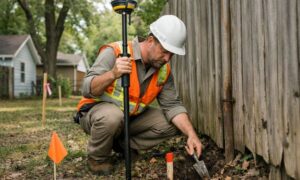
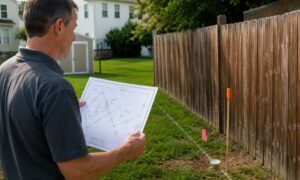
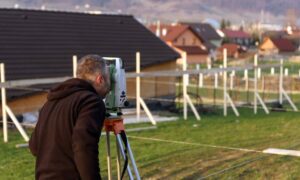
Licensed land surveyors measure elevations using precise tools and accepted standards. Their work supports reliable flood records. Because insurers trust this level of detail, survey-grade data helps resolve questions faster.
Most importantly, accurate FEMA elevation certificates help prevent higher insurance costs. When risk is measured correctly, premiums reflect real conditions instead of assumptions.
What To Do If Your Certificate Is Questioned
First, stay calm. Reviews are more common now, and most are resolved without major changes.
Next, gather your records. Look for past certificates, renovation details, or insurance letters.
Then, speak with a licensed land surveyor who understands flood standards. They can review the document, confirm details, and explain what needs clarification.
Clear communication often speeds up the process.
What This Means for Property Owners
Flood insurance will continue to change. As cities grow and weather patterns shift, property data must stay current. This reality puts FEMA elevation certificates at the center of many future decisions.
For owners, this creates an opportunity. Those who understand their flood documentation can act early. They avoid delays, reduce stress, and protect long-term costs.
Final Thoughts
Flood insurance may seem distant until paperwork slows down a policy or loan. Today, FEMA elevation certificates carry more responsibility than before. They support fair pricing, accurate risk review, and smoother transactions.
If your property falls within a flood review area, now is the time to understand your records. Accurate data does more than satisfy insurers. It gives you clarity and control.
And in a changing flood landscape, that control matters.