A lot of projects in Pittsburgh stall before they even begin. Plans get submitted, then nothing moves. The design looks fine. The budget is set. Still, the city sends it back.
In many cases, the problem is not the idea. It is the lack of a stamped site plan from a land surveyor.
This step often gets ignored at the start. Later, it becomes the one thing holding everything up.
Why a Stamped Site Plan Matters in Pittsburgh
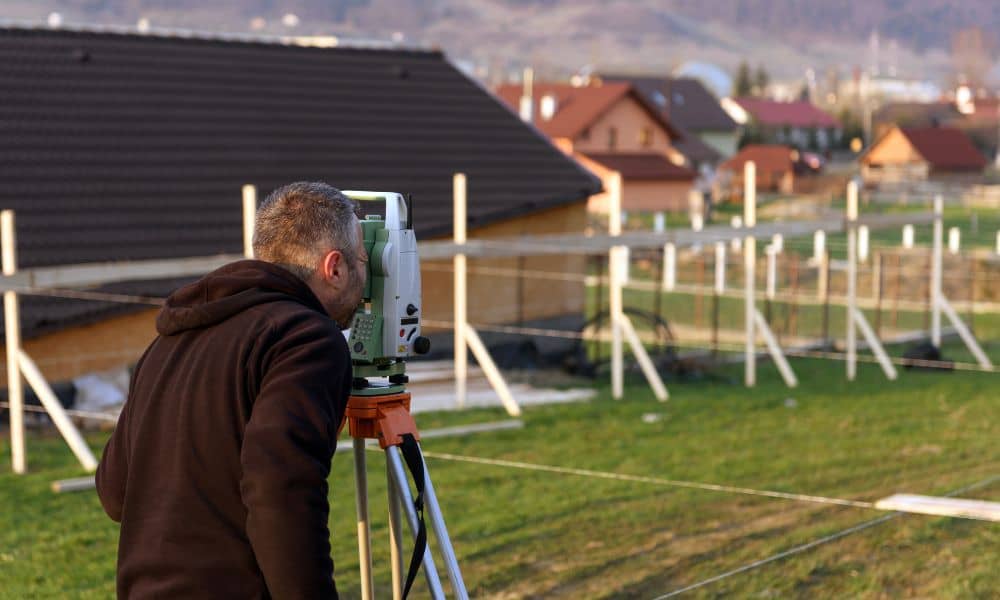
A stamped site plan shows your property as it actually exists, not how someone assumes it looks. A land surveyor measures the site, checks records, and confirms the details. Then they add their seal.
That seal tells the city one thing. The information is correct.
Pittsburgh relies on this more than many places. The city has older neighborhoods, tight spaces, and records that do not always match real conditions. Because of that, small mistakes can turn into bigger issues fast. So when a plan depends on exact placement, the city often asks for a stamped site plan.
Without it, your submission may not move forward.
Where Most Projects Run Into Trouble
Many property owners think this only applies to large developments. In reality, even small projects can run into this issue.
A home addition is a common example. Adding a garage or extending a room changes how the structure sits on the lot. If the plan does not show exact distances from the property lines, the city may pause the review.
The same thing happens with new builds on tight lots. In many parts of Pittsburgh, homes sit close together. There is little room for error. A few inches off can create a problem. A stamped plan removes that guesswork before construction begins.
Zoning requests can also trigger the need for a land surveyor. When a project does not meet standard rules, the city needs clear proof of what exists on the site. Rough estimates are not enough. Verified measurements carry more weight.
Commercial changes bring their own challenges. When a property changes use, the layout often shifts too. Access, parking, and building placement all come into play. A stamped plan gives the city a clear view of the site so they can review it with confidence.
What Causes Delays During Plan Review
Delays often come from missing or unclear information. Plans may show one set of dimensions, while older records show another. That mismatch slows everything down.
At that point, the city asks for a stamped site plan. Now the project goes backward instead of forward.
Each revision adds time. Contractors may need to wait. Costs can rise as the schedule stretches. What seemed like a small shortcut at the start turns into a bigger setback later.
Starting with a land surveyor helps avoid that cycle.
What a Land Surveyor Confirms on Site
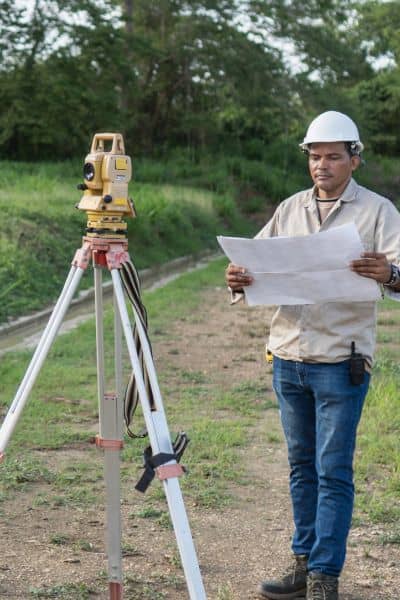
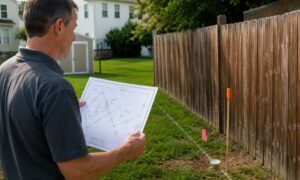
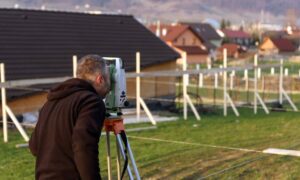
A stamped site plan is based on real measurements, not assumptions. A land surveyor visits the property and checks what is there.
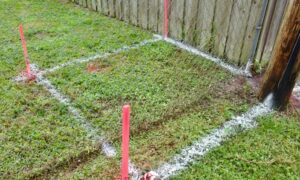
They locate existing structures. They measure how far those structures sit from the edges of the property. They compare the site to recorded documents. If something does not match, they note it.
They also identify any limits that could affect your plans. This may include access areas or recorded restrictions tied to the property.
All of this becomes part of the final plan that gets stamped and submitted.
Why This Step Matters More in Older Neighborhoods
Pittsburgh has many established areas where properties have changed over time. Lines on paper may not match what is on the ground today.
Some lots are not shaped in simple ways. Others have small gaps between recorded data and actual layout. These differences are not always obvious until someone measures the site.
Because of that, the city often needs a clear and verified plan before giving approval. A stamped site plan fills that gap.
When to Bring in a Land Surveyor
Timing plays a big role in how smooth your project goes. Many delays happen because the survey comes too late.
It helps to contact a land surveyor before plans are submitted. Even better, do it before drawings are finalized. That way, any issues can be fixed early instead of after review.
If your project changes how the property is used or built on, it is a good time to bring one in. This keeps your plans aligned with real conditions from the start.
Starting Your Project the Right Way
A stamped site plan may seem like an extra step, but it often saves time and money. It gives the city what they need to review your plans without second guessing the details.
In Pittsburgh, where properties can be tight and records can vary, that clarity matters.
Working with a land surveyor early keeps your project moving. It helps avoid delays, reduces back and forth, and gives you a stronger path to approval.