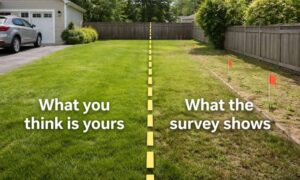
Living or working in Philadelphia, Pennsylvania means dealing with tight city lots, historic homes, and close neighbors. In neighborhoods like Fishtown, South Philly, or West Philadelphia, even a few inches of land can cause confusion or conflict. That’s why getting a property line survey is one of the smartest moves you can make before buying, building, or making changes to your property.

Let’s break down what a property line survey is, when you need one, and how it can save you time, money, and stress in the long run.
What Is a Property Line Survey?
A property line survey (also called a boundary survey or lot survey) shows you the exact legal boundaries of your land. It marks where your property begins and ends — even if it’s not clearly visible by fences or sidewalks.
Licensed land surveyors use tools like GPS and old land records to create a map of your lot. This map includes:
- Lot lines and corners
- Dimensions of the property
- Any buildings, fences, or structures near the boundary
- Possible encroachments from neighbors
Why It Matters in Philadelphia
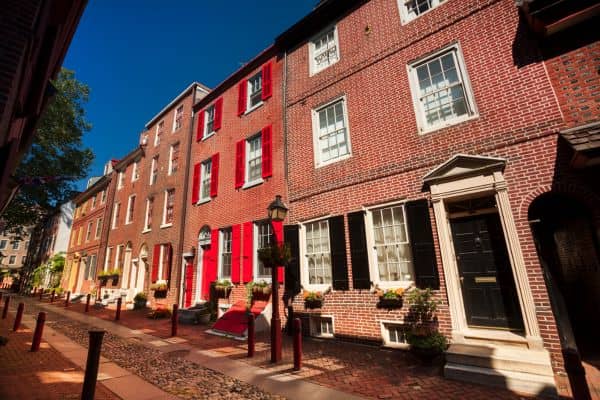
Philadelphia has a mix of old and new properties, from narrow rowhomes to modern townhouses. Many lots were divided a long time ago, and records may be outdated or unclear. That creates a few common problems:
1. Close Quarters
Homes and businesses in Philly are often just feet apart. A misplaced fence or shed can cross a line without anyone noticing — until it causes trouble.
2. Old Deeds and Shifting Markers
In older neighborhoods like Germantown or Queen Village, property lines may be based on landmarks that no longer exist. A survey clears up what’s legally yours.
3. Construction and Permits
If you’re adding a fence, deck, or garage, the City of Philadelphia may ask for a survey before issuing a permit. This proves you’re building on your own land.
When You Need a Property Line or Boundary Survey
Here are some common situations where a boundary survey in Philadelphia is not just helpful — it’s necessary:
Buying a Property
Before you buy, know exactly what you’re getting. A survey can reveal if a fence is in the wrong place or if a neighbor is using part of the land.
Building or Renovating
Planning to add a fence, driveway, or home addition? A lot survey help you avoid building over the line — which can lead to fines or legal action.
Selling a Property
Buyers often ask for a recent survey to confirm the property size. Having one ready speeds up the sale and builds trust.
Dealing with a Neighbor Dispute
If a neighbor claims you’re using their land (or vice versa), a property line survey provides clear proof of where your land begins and ends.
Local Building Tips and Zoning in Philly
Philadelphia’s Department of Licenses and Inspections (L&I) may require a boundary or lot survey for:
- Disputes over land use
- New fences near property lines
- Building near the setback limit
Also, if you’re working near utility easements or public alleys (which are common in Philly), a survey helps avoid legal and safety issues.
In tight neighborhoods like Brewerytown or Northern Liberties, one foot of land can mean the difference between a legal build and a rejected permit.
How a Survey Can Save You Money
While a survey may feel like just another cost, it’s an investment that protects you from bigger expenses later on. For example:
- Avoid tearing down a fence or wall that crosses a line
- Prevent lawsuits over land disputes
- Stop building delays caused by unclear property limits
- Make sure your title and deed match the real boundaries
For homebuyers, a survey brings peace of mind. For developers, it helps get city approvals faster. For longtime residents, it can prevent costly mistakes during upgrades or repairs.
Final Thoughts
In a city like Philadelphia, where space is tight and property history runs deep, getting a property line survey is a smart move. Whether you’re planning to buy, build, or settle a disagreement, a boundary survey or lot survey gives you the information you need to make confident decisions.
If you’re unsure whether you need one, it’s worth speaking with a local survey expert in Philadelphia, Pennsylvania. They can help you understand your options and guide you through the process.