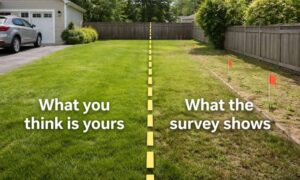

Starting a land development project requires more than just picking a location. Before construction begins, property data must be complete and accurate. In Pittsburgh PA, an ALTA survey gives developers and project teams the details they need to plan, permit, and build with fewer delays. This article explains how ALTA surveys support development readiness, especially in complex commercial or mixed-use projects across the city and surrounding areas.
The Role of ALTA Surveys in Development-Ready Land Acquisition
Before a site can be developed, it must be clearly defined. ALTA surveys show legal boundaries, access points, and existing site conditions. Without this data, land purchases can lead to unexpected legal or design problems.
Developers often face issues related to old property lines, unclear easements, or missing title records. ALTA surveys reduce those risks by verifying everything needed for ownership, design, and permitting. In Pittsburgh, where older properties may have been divided or repurposed many times, these surveys help move projects forward with fewer surprises.
Survey Components That Support Site Planning
An ALTA survey provides the information needed to design a project correctly from the start. details include:
- Property lines and measurements
- Easements and any shared-use or utility rights
- Encroachments, such as fences or structures crossing boundaries
- Existing buildings and improvements
- Access points, driveways, and rights-of-way
- Zoning-related information and utility placements
This data allows engineers, architects, and planners to align site layouts with real conditions and legal limits.
Risk Management Benefits for Developers and Investors
An ALTA survey does more than help with design it also protects investment. When property lines and access rights are clearly mapped, legal disputes are less likely. Developers gain confidence knowing that their land use plans are backed by proper documentation.
These surveys are often required by title companies and lenders. They help confirm:
- Legal access to public roads
- Clear ownership and property use rights
- Any exceptions that may affect title insurance
This makes the survey a key tool in both risk management and deal closing.
Relevance of ALTA Surveys in Pittsburgh’s Urban and Suburban Contexts
Pittsburgh has a mix of dense downtown zones and expanding suburbs. Both bring unique challenges to land development.
In urban areas, ALTA surveys help identify:
- Tight lot lines
- Underground utilities
- Overlapping easements
In suburban areas, developers may face large parcels with unclear divisions or outdated plats. ALTA surveys give clear records that local permitting offices rely on for approvals and code checks.
Collaboration with Title Companies, Attorneys, and Municipal Review Boards
ALTA surveys support more than just the design team. They are often shared with:
- Attorneys, for legal review
- Title companies, for insurance issuance
- Municipal officials, for permit and zoning approvals
A complete and accurate survey helps each of these parties move faster and with fewer questions. This speeds up the development process and reduces back-and-forth paperwork.
Long-Term Project Efficiency Through Early Survey Integration
Getting an ALTA survey early in the project helps avoid costly delays later. When all site data is known in advance, teams can:
- Finalize site layouts faster
- Avoid rework or unexpected boundary issues
- Coordinate better with city planners and utility providers
This leads to smoother construction and fewer change orders, saving both time and money.
Typical Project Types That Rely on ALTA Survey Data
ALTA surveys are used in many types of commercial and institutional projects, including:
- Retail centers and office buildings
- Apartment complexes and mixed-use zones
- Hospitals, schools, and other civic structures
In each case, the survey supports land use planning, permitting, and construction by giving all teams a shared, verified record of the property.
FAQs
1. What is the purpose of an ALTA survey in development?
It provides detailed property data needed for design, permitting, legal review, and construction planning.
2. Why is an ALTA survey important in Pittsburgh?
Because many properties have complex histories, boundary issues, or shared access that need to be clearly documented.
3. Who uses the results of an ALTA survey?
Developers, engineers, attorneys, lenders, title companies, and local permitting agencies.
4. Can an ALTA survey help avoid delays?
Yes. Having the right data early helps prevent mistakes, legal issues, and design changes later in the process.
5. Is an ALTA survey only for large projects?
No. It is useful for any commercial, industrial, or institutional development large or small.