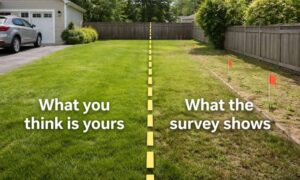
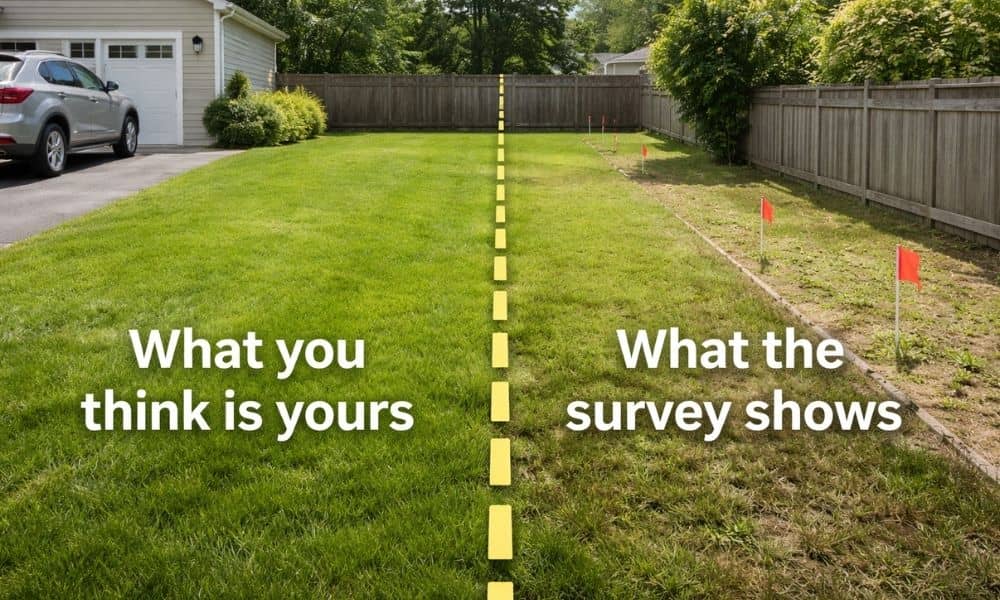
Have you ever used a strip of land beside your yard and assumed it was yours? Maybe you park there, mow it, or even plan to build something on it. Then one day, you hear a new term—paper street—and suddenly things feel unclear.
This situation happens more often in Pittsburgh than most homeowners expect. Because of older neighborhood layouts and historic plans, some properties sit next to land that looks unused but still exists on record. So while everything may look normal on the surface, the legal story can be very different.
That’s where a property line survey becomes important. It helps you understand what you actually own before small assumptions turn into big problems, especially when you’re trying to understand where your property really ends.
What a Paper Street Means for Your Property
A paper street is a road that was planned on a map but never built. Years ago, developers laid out neighborhoods with streets drawn on paper, but not all of them were ever created in real life.
Even so, those lines didn’t go away—they stayed in official records.
So while you may see grass, trees, or even part of your yard, the records may still show a street or right-of-way. Because of that, the space you’ve been using may not fully belong to you, even if it has looked that way for years. This is often the point where a property line survey to check the boundary starts to make sense.
In Pittsburgh, this is especially common. Many neighborhoods developed decades ago, and over time, some planned streets simply never came to life.
Why This Catches Homeowners Off Guard
At first, nothing seems wrong. You take care of the space, maybe improve it, and treat it as part of your property. Then something changes.
Perhaps you decide to build a fence or extend your driveway. Or maybe a neighbor raises a question about where the boundary really sits. In some cases, a permit process or property sale brings the issue to light.
That’s when confusion starts.
What you see on the ground may not match what’s on record. So even if you have used the space for years, it may still be tied to a paper street or shared right-of-way. As a result, your plans may need to change, and that can be frustrating.
What a Property Line Survey Reveals
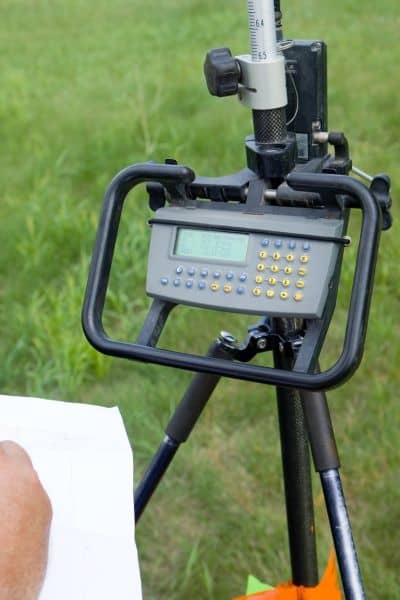
This is where a property line survey makes all the difference. Instead of guessing, a surveyor works with both field measurements and official records to show exactly where your property begins and ends.
They check historical plats, compare them with current conditions, and mark the true boundary lines on-site. Because of that, you get a clear picture of how your lot relates to any nearby paper street or alley.
Sometimes the results bring peace of mind. Other times, they reveal something unexpected. Either way, you gain the information you need before making decisions that could cost time and money later.
When the Land You Use Is Not the Land You Own
It’s easy to assume that if you’ve been using a piece of land, it must be yours. However, that’s not always the case.
For example, a narrow strip beside your home may look like extra yard space. Still, it could be part of an unopened street. In the same way, a rear alley might appear abandoned but still exist in official records.
Because of this, homeowners often rely on visual clues like fences, landscaping, or worn paths. Yet those features do not always match legal boundaries.
So while everything may feel clear day to day, the situation can change quickly once records come into play.
Why This Happens More Often in Pittsburgh
Pittsburgh has a long history of development, and many areas grew in stages over time. As a result, some early plans included streets that never became part of the final layout.
Those unused streets remain part of recorded maps. Meanwhile, homeowners have used nearby land for decades without issue.
Because of that mix of history and real-world use, confusion can happen. In addition, many lots in the area have unique shapes or sit on uneven ground, which makes boundaries even harder to judge without proper verification.
The Risk of Moving Forward Without Clarity
When everything looks fine, it’s easy to move forward without checking. However, that choice can lead to problems later.
For instance, building a structure in the wrong place may force you to remove or adjust it. In other cases, neighbors may question access or boundaries once changes happen. Even simple projects can slow down if questions come up during approvals.
Because of this, waiting too long to confirm your boundaries can turn a simple plan into a complicated situation.
On the other hand, starting with a property line survey gives you a clear path forward.
When This Issue Usually Comes Up
Most homeowners don’t think about paper streets until they plan something new. That’s usually when questions begin to surface.
Maybe you’re preparing to build, sell, or improve your property. Or perhaps something just doesn’t seem right about the layout of your lot.
At that point, it becomes clear that guessing is not enough. You need accurate information to move forward with confidence.
Why a Property Line Survey Brings Peace of Mind
A property line survey does more than mark lines on the ground. It removes uncertainty.
Instead of relying on what you see or assume, you have clear, verified information. That makes it easier to plan, build, and make decisions without second-guessing.
In a place like Pittsburgh, where older layouts and paper streets still affect properties today, that clarity matters even more.
Final Thoughts
A paper street may not be visible, but it can still affect how you use your property. That’s why it’s important to look beyond what appears obvious.
If your lot borders an alley, an unused strip, or anything that seems unclear, it’s worth taking a closer look. A property line survey helps you understand what’s truly yours and what may not be.
In the end, it’s not just about lines on a map. It’s about making sure your plans rest on solid ground.