Property disputes rarely start as major legal battles. Most begin with something small. For example, a neighbor builds a fence. Someone installs a driveway. A shed appears near the edge of a lot. At first, everything seemed fine. However, problems can grow when one owner starts to question where the property line really sits. In cities like Philadelphia, many properties sit close together. In addition, some lots date back many decades. Because of this, boundaries can become confusing. When disagreements grow, owners often need clear proof to settle the issue. That is where an alta land survey becomes critical.
This type of survey shows the true boundaries of a property and documents what sits on the land. As a result, it gives owners a reliable way to verify property boundaries and settle questions about where one property ends and another begins. In many cases, that clarity helps resolve disputes before they turn into long legal fights.
How Property Disputes Usually Begin
Many property conflicts start with everyday projects. People often rely on memory, visual clues, or old assumptions when working near a property line. Unfortunately, those guesses can lead to mistakes.
Here are common situations that start disputes:
- A fence gets built slightly over the boundary
- A driveway crosses into the neighboring lot
- A shed or garage sits too close to the line
- Landscaping changes the edge of a yard
- A wall or addition extends farther than expected
At first, neighbors might not notice the problem. However, someone may later check documents or question the boundary. When that happens, disagreements often follow.
Sometimes the issue stays small. Yet in other cases, both sides believe they are right. That is when the conflict can grow more serious.
When Neighbor Disagreements Turn Into Legal Disputes
Most people try to solve property disagreements through simple conversation. A neighbor may ask questions or show a copy of a deed. In many cases, this works. Both sides review the information and agree on a solution.
However, that does not always happen.
Sometimes property records appear unclear. Other times, two documents seem to show different measurements. As a result, both owners may feel confident about their position.
When this happens, the dispute often moves to the next stage. First, owners review property documents. Then, attorneys may become involved. Eventually, someone orders a professional survey. At this point, the goal shifts from guessing to proving the boundary with accurate measurements. The findings are usually recorded in the ALTA survey report, which clearly shows where the property line sits and whether anything crosses it.
That is when an alta land survey becomes an important tool.
Why an ALTA Land Survey Matters in Disputes

An alta land survey provides detailed information about a property. Unlike simple sketches or online maps, this survey relies on precise measurements and verified records.
Surveyors study legal descriptions, property markers, and site conditions. Then they document everything in a detailed survey drawing.
This survey typically shows:
- Exact boundary lines
- Buildings and improvements on the property
- Fences, walls, and other structures near boundaries
- Access points and driveways
- Recorded easements or shared rights
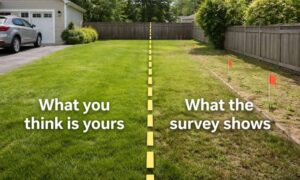
Because of this detail, the survey can reveal issues that people did not see before. For example, it may show that a fence crosses the boundary by a few feet. It may also reveal that a driveway sits partly on another property.
When disputes reach attorneys or courts, clear documentation matters. Therefore, the alta land survey often becomes key evidence.
Common Issues Surveys Reveal
Many owners feel surprised when a survey uncovers a problem. Yet these situations occur more often than people think.
For example, a survey may show that a fence sits two feet inside a neighboring lot. In another case, a garage may extend slightly past the property line. Sometimes parking areas or walkways cross boundaries without anyone realizing it.
In addition, surveys often reveal shared access paths or recorded easements. These rights allow others to use part of the land. Owners may not know about them until a survey documents the details.
Although these discoveries can feel stressful, they provide important clarity. Once everyone understands the true boundary, the parties can work toward a fair solution.
Why Older Cities See More Boundary Conflicts
Property disputes happen everywhere. However, older cities often see them more often. Philadelphia provides a good example.
Many properties in the city date back more than a century. Over time, lots may have been divided or combined. Buildings may have changed as well. In some areas, construction happened long before modern surveying tools existed.
As a result, older records may not match current site conditions perfectly.
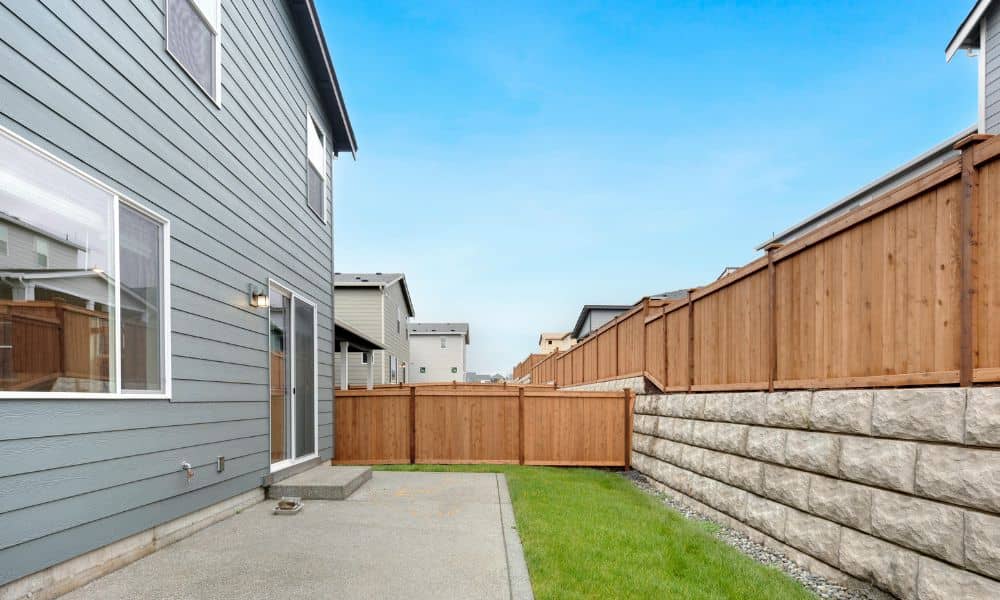
In addition, urban properties sit very close together. A fence or wall placed a few inches off line can affect a neighbor’s land. Because of this tight spacing, even small errors can create disputes.
For these reasons, clear surveying information becomes especially valuable in older urban neighborhoods.
How Property Owners Can Prevent Disputes
Fortunately, property conflicts do not have to happen. Owners can take simple steps to avoid problems before they begin.
First, consider verifying boundaries before starting major projects. For example, check property lines before installing fences, building garages, or adding structures.
Next, review property records carefully during purchases or renovations. If something seems unclear, it helps to seek professional advice early.
Finally, communicate with neighbors when projects happen near shared boundaries. Open discussions often prevent misunderstandings later.
These steps can reduce the risk of conflict and protect property investments.
The Role of a Licensed Surveyor
Licensed surveyors play an important role in resolving boundary questions. They bring both technical skill and legal understanding to the process.
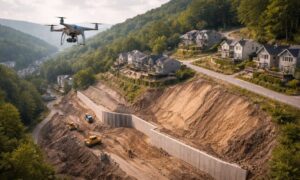
A surveyor reviews property descriptions and historical records. Then they locate physical evidence in the field, such as markers, monuments, and structures. After that, they measure distances and angles with precise equipment.
Once the work finishes, the surveyor prepares detailed documentation that shows the property clearly.
Because the process follows strict professional standards, the results carry strong credibility. Therefore, survey information often helps settle disputes and guide property decisions.
Final Thoughts
Property disputes rarely begin with serious conflict. Most start with small misunderstandings about where a boundary sits. However, those misunderstandings can grow into major problems if owners lack clear information.
That is why accurate documentation matters so much. An alta land survey provides reliable measurements and detailed records that show exactly how a property is defined.
When disagreements arise, this survey can bring clarity and direction. In many cases, it becomes the key piece of evidence that helps resolve the situation.
Ultimately, understanding your property boundaries today can prevent costly disputes tomorrow.