
Western Pennsylvania is growing fast, and a recent move by a major engineering company shows how quickly things are changing. A well-known firm opened a new office in the Monroeville area, and this expansion sends a clear message: more development is coming to the Pittsburgh region. As builders, homeowners, and developers prepare for another wave of projects, drone land surveying is becoming a bigger part of how land is mapped, designed, and built. And because one major firm expanded into the area, the whole surveying market is shifting with it.
This is more than just a business update. When a large engineering company invests in a new location, it usually means the demand for civil engineering and surveying is rising. That increased demand affects everything—from timelines to pricing to the technology used in the field. In Western PA, these changes push more people toward drone land surveying because it offers fast, clear, and reliable data that helps projects move without delay.
A Growing Region That Needs Faster Mapping
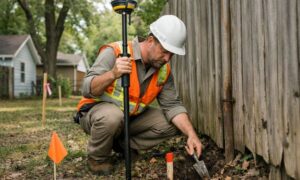
Monroeville sits right outside Pittsburgh, and it has become a busy spot for new construction. Homes, shopping areas, medical buildings, and industrial sites continue to expand across the region. As more land gets developed, project owners need quick and accurate information before work begins. Traditional surveying crews do excellent work, but they can only cover so much land each day. Drone land surveying solves that problem.
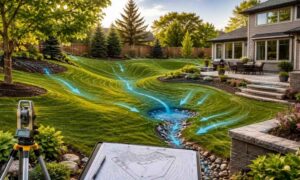
Instead of climbing steep hills, hiking through wooded land, or measuring large fields on foot, a drone can scan an entire property from above in minutes. Because of this speed, more companies want drones as part of their daily tools. The new engineering office in Monroeville signals that clients expect faster and more modern solutions. Other firms see this shift and begin updating their own methods so they can keep up with rising expectations.
Why a Major Expansion Pushes Technology Forward

A large engineering company entering a region brings more than new staff or office space. It raises the standard for everyone nearby. When one firm uses advanced tools like drones, 3D mapping, and digital design systems, other companies often follow. No one wants to lose clients because their process is slower or less accurate.
This is how industries move forward. One company sets a higher bar, and others begin reaching for it too.
Because of this local expansion, the message across Western PA is simple: modern tools matter. And that includes drone land surveying. This technology is now the go-to choice for early site maps, grading plans, and construction progress updates. Builders who once waited weeks for mapping data can now get it in days. This speed saves money, cuts delays, and keeps workers moving instead of waiting.
Developers and Homeowners See the Biggest Benefits
Many people think these changes only matter to engineers or big construction companies, but the benefits reach far beyond that. Homeowners planning an addition, investors buying land, and smaller contractors who need fast site information all feel the effect of a growing engineering presence in the region.
Faster project planning is one major advantage. Lots around Western PA are rarely simple. Many are sloped, wooded, or set in tight neighborhoods. A drone captures the entire site quickly and gives designers a clear look at the land. As engineering companies expand, more drone crews become available, which means faster scheduling.
Accuracy is another huge advantage. Our region includes hills, valleys, forests, and irregular lot shapes that can slow down ground-based surveys. Drone land surveying handles these challenges with ease. High-resolution aerial photos and 3D models help builders understand slopes, drainage paths, and grading needs before any equipment hits the site. This prevents costly surprises later.
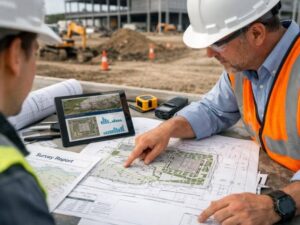
Drone surveys also improve communication on construction sites. When the property owner, architect, and excavation crew all see the same detailed map, confusion drops. Drone images make it easier to plan where materials should go, how much soil to move, or where new features should be placed. As more firms adopt these tools, smaller builders quickly follow their lead.
Real estate buyers and investors also benefit. Land deals often move fast in the Pittsburgh area. A buyer may need to know if a piece of land is buildable. An investor may need site data before securing financing. Drone land surveying speeds up these checks so decisions can be made quickly and confidently.
A Competitive Market Helps Clients the Most
When only a few firms offer modern surveying technology, clients have limited choices. But when a major engineering company enters a region and uses new tools, other firms begin doing the same. This leads to more options, better pricing, and shorter wait times.
More surveyors in the area mean faster scheduling. More drone pilots mean quicker site visits. Better software results in higher-quality maps. Larger engineering teams mean faster reviews. All these improvements help property owners and developers across Western PA. They make high-quality surveying easier to access and more consistent.
Drone Land Surveying Is Becoming the New Standard
Years ago, drone surveying was seen as something extra. Today, it is quickly becoming a standard service. The technology is reliable, affordable, and easy to blend into modern engineering software. As Western PA continues to grow, drone land surveying is becoming the best way to keep projects moving.
Builders like drone surveys because they can track progress easily. Homeowners like them because they get a clear view of their land. Engineers like them because the data is simple to analyze. Surveyors like them because drones help them work faster and safer than before.
Choosing the Right Drone Surveying Provider
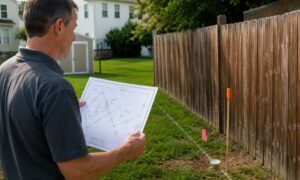
As more companies begin using drone tools, clients still need to choose carefully. The best drone surveys are done by teams led by licensed land surveyors who know how to collect and interpret accurate data. Experience with Pittsburgh-area terrain matters too, since the region’s slopes and tight spaces can challenge inexperienced pilots. And because drone surveys move fast, it helps to choose a firm with good communication and strong turnaround times.
A Shift That Helps Western PA Move Forward
This new engineering office in the Monroeville area is more than a sign of growth. It shows a shift in how land is mapped and developed in Western Pennsylvania. Because of this expansion, more firms are using drone land surveying, more projects are moving quickly, and more property owners are getting solid information before they build. As the region continues to grow, these tools will become even more important.
Western PA is changing fast, and drone land surveying is helping guide that growth—one project at a time.