
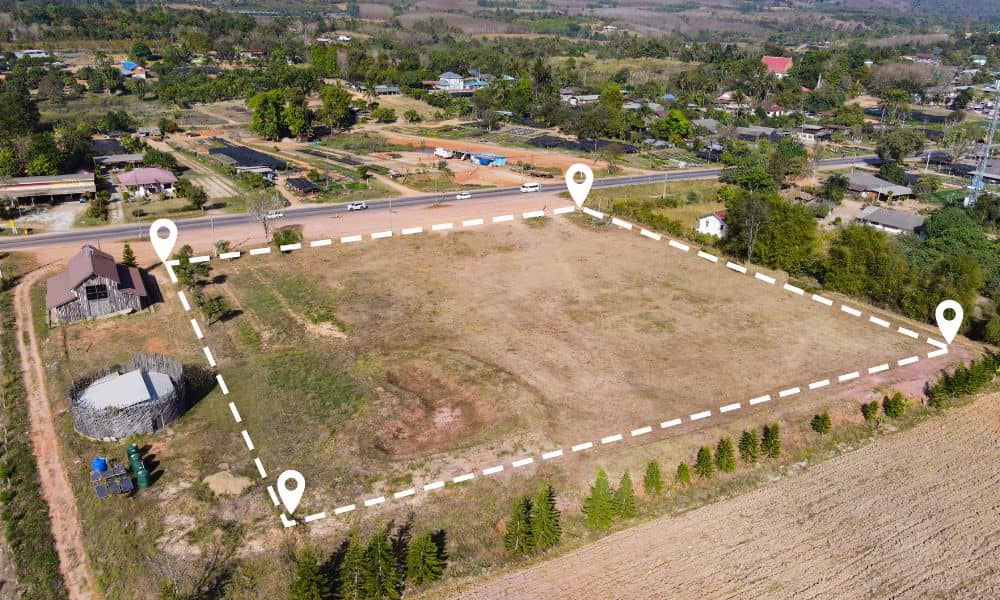
If you own property, boundary questions may feel more common than they used to. Many owners are surprised when old assumptions suddenly come into question. In most cases, this confusion starts with the city’s new land use surveys. While these surveys help Philadelphia plan for growth, they also expose property details that were never closely examined. Because of this, more owners now find themselves needing a lot survey, even when their property looks exactly the same.
At first, city land use surveys seem harmless. They focus on planning, not ownership. However, once new data enters public records, it often highlights gaps between what owners believe they own and what legal documents actually say. That is when a lot survey issues begin.
Why Philadelphia Is Updating Land Use Data
Philadelphia is actively updating land use information across many neighborhoods. These surveys help the city understand how land is being used today and how it may change in the future. Planners rely on this data to guide zoning decisions, housing goals, and redevelopment plans.
Agencies such as the Philadelphia City Planning Commission oversee this work. Their role focuses on accuracy for planning purposes, not on confirming private property boundaries. That difference is important and often misunderstood.
Where Property Owners Get Caught Off Guard
City land use surveys do not define legal property lines. However, once updated data appears on public maps and records, differences between city information and private deeds become visible. Many owners first learn about these differences when someone else notices them.
A lender may raise a question during refinancing. A title company may flag a boundary issue during a sale. A zoning office may ask for clarification before approving a permit. In each case, the city’s updated data brings attention to an issue that already existed but stayed hidden for years.
How New City Data Exposes Old Boundary Problems
Many properties rely on records created decades ago. Over time, small changes happen. Fences shift. Driveways widen. Neighbors make improvements. Because nothing dramatic occurs, these changes often go unchallenged.
When land use surveys update public data, these quiet assumptions face review. A lot that always seemed a certain size may now appear smaller or shaped differently on a map. Even though the ground did not move, the records now tell a different story. That mismatch leads owners to seek a lot survey for clarity.
Why a Lot Survey Becomes Necessary After Updates
A lot survey provides legal confirmation of property boundaries. It relies on measured distances, recorded monuments, and deed research. When city records change or become more detailed, professionals involved in real estate transactions want proof that the legal boundaries match the paperwork.
This often happens during sales, refinancing, or construction planning. In those moments, assumptions no longer work. A lot survey answer questions clearly and prevent delays caused by uncertainty.
Why Online Parcel Maps Are Not Enough
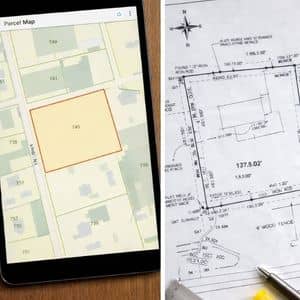
Many owners rely on online parcel maps to understand their property. These tools are helpful for general reference. However, they use approximate data and are not legally binding.
A lot survey carry legal weight because they are prepared by a licensed professional using field measurements and recorded documents. When city land use surveys update public maps, differences between approximate parcel lines and legal boundaries become more obvious. That is when owners realize that online maps cannot replace a lot survey.
Real Situations Philadelphia Owners Are Facing
Across the city, similar stories continue to surface. Some owners learn that a fence slightly crosses the boundary. Others discover that a driveway overlaps a neighboring lot. In more stressful cases, buyers walk away late in the process because boundary questions remain unresolved.
Most owners say the same thing. Nothing changed physically. The issue only came to light because city data changed. A lot survey often resolve the situation by replacing uncertainty with verified facts.
Why Timing Matters More Right Now
As Philadelphia continues updating land use data, scrutiny increases. Properties that once passed through transactions without issue now face closer review. Waiting until the last minute creates pressure and limits options.
Ordering a lot survey early gives owners time to address problems calmly. It allows space to correct records or adjust plans before deadlines appear. In many cases, early action prevents lost deals and added costs.
How a Lot Survey Protects Property Owners Long Term
A lot survey do more than meet a requirement. It protects property value and reduces risk. With clear boundaries, owners can plan improvements, negotiate sales, or resolve neighbor questions with confidence.
City land use surveys are not the cause of property problems. They simply reveal them. A lot survey provide clarity when that happens.
Final Thoughts:
Philadelphia’s land use surveys aim to improve how the city plans for the future. For property owners, they also highlight the importance of accurate boundaries. As public records evolve, private property records must keep pace.
Knowing your boundaries today helps prevent surprises tomorrow. In a changing city, a lot survey offer certainty when it matters most.
