

If you own property, there’s a quiet change happening that could affect you sooner than you think. A boundary survey something many owners only think about during a dispute—is suddenly becoming more important across the city. The reason is not a new law or a neighbor argument. Instead, it’s Philadelphia’s new citywide land use survey tied to long-term planning.
At first glance, this city effort sounds harmless. However, once public land data gets updated, property line questions often follow. For many owners, this is the first time they realize their records, improvements, or assumptions may not fully line up.
A citywide update that changes how land is reviewed
The Philadelphia City Planning Commission has launched a citywide land use survey as part of the broader Philadelphia2050 planning update. This project looks at how land is used across neighborhoods—buildings, parcels, and development patterns.
Although this is not a legal property survey, it does something powerful. It brings land data into sharper focus. Once that happens, gaps between city records and private property documents become harder to ignore.
In the past, many inconsistencies stayed buried in old files. Now, they surface faster because updated data is easier to see, share, and question.
Why land use surveys expose boundary problems
City land use surveys focus on how land functions, not who owns what. Still, when planners, reviewers, or developers look at updated parcel data, they often compare it to deeds, plans, or existing site conditions. That comparison is where trouble starts.
For example, a city record might show a parcel size that does not match what a property owner believes they own. Or a site plan may reflect building placement that conflicts with older boundary descriptions. These mismatches do not mean someone did something wrong. Instead, they highlight that property boundaries were never fully confirmed.
Once these questions appear, they rarely disappear on their own.
The moment conflicts usually show up
Most owners do not wake up worrying about property lines. Instead, issues tend to surface during key moments. Citywide land updates increase how often these moments happen.
Common triggers include permit applications, property sales, refinancing, or redevelopment plans. In each case, someone reviews the property more closely than before. That review often includes updated city data.
When records do not align, a simple question follows: “Where exactly is the property line?” At that point, opinions, old sketches, or online maps stop being enough.
Why boundary surveys become the go-to solution
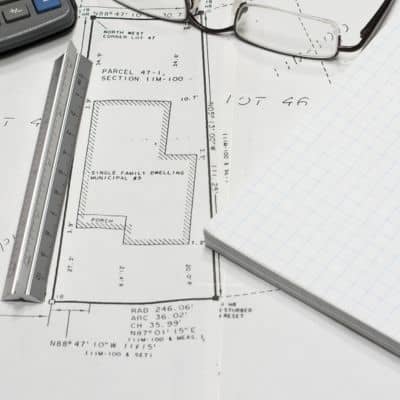
When city data and private records conflict, there must be a clear way to resolve the issue. This is where a boundary survey becomes essential.
A boundary survey does not rely on assumptions or visual cues. Instead, it looks at legal descriptions, historical records, and physical evidence to establish property lines with clarity. Because of that, it provides something city data cannot—legal certainty.
As land use updates become more common, boundary surveys shift from being optional to being protective. They help owners respond with facts instead of reacting under pressure.
Who feels the impact the most
Not every property owner will feel this shift at the same time. However, some groups face it sooner.
Homeowners in active redevelopment areas often feel the impact first. Buyers and sellers also face more scrutiny during transactions. Developers experience it when zoning or planning reviews become more detailed. Even long-term owners can be affected if neighbors or lenders raise questions.
In each case, the issue is not daily use of the property. Instead, it’s how the property holds up under review.
Why this feels sudden to many owners
Many properties have existed unchanged for decades. Because of that, owners assume boundaries are settled. However, citywide planning efforts change the environment around those properties.
Once updated land data enters the conversation, older assumptions get tested. What felt stable before now feels uncertain. This does not mean the property changed. The review process did.
As a result, boundary questions feel sudden even though the underlying issue may be old.
What to watch for as planning moves forward
Over the next year, property owners may notice more detailed questions during approvals or transactions. City reviewers may rely more on updated data. Lenders and buyers may ask for clearer documentation.
At the same time, informal explanations carry less weight. Clear, defensible records matter more when land information becomes standardized.
For owners, awareness is key. Understanding when a boundary survey becomes necessary helps prevent delays, disputes, or rushed decisions later.
The bigger picture behind the surge
City planning initiatives aim to guide growth, not create conflicts. Still, when land data improves, uncertainty often surfaces before clarity follows. Boundary survey requests increase during this phase because they provide answers when records do not agree.
In that sense, the surge is not a problem. It’s a response. Owners want certainty in a system that now asks more precise questions.
Final thoughts
Philadelphia’s citywide land use survey is shaping how property gets reviewed across the city. While it does not redefine ownership, it brings attention to where records and reality may differ. That attention naturally leads to more boundary survey conflicts—and more boundary surveys to resolve them.
When the city updates how it views land, property owners benefit from understanding their boundaries clearly. In a time of change, clarity is not just helpful. It’s essential.
