

In Pittsburgh, people still worry about infrastructure safety. Bridges, roads, and public spaces support daily life. When a structure fails, it shakes public trust. One tool now plays a bigger role in safety discussions: the topo survey. Many people think surveys only matter before construction. In reality, topo surveys help track land changes long after a structure is built. That information helps engineers spot risks early and protect the public.
Infrastructure Safety Still Matters Today
Pittsburgh depends on its infrastructure every day. Cars cross bridges. Trucks move through busy roads. Utilities run under streets and sidewalks. When a major failure happens, it reminds everyone that safety depends on more than concrete and steel. The ground beneath those structures matters just as much.
The Fern Hollow Bridge collapse happened in 2022. Even so, its impact continues. City leaders and engineers still talk about it during inspections and planning meetings. Because of this event, teams now pay closer attention to land conditions. They no longer assume the ground stays the same over time.
Topo surveys now support this shift. They help track how land changes after construction. That data supports better safety decisions.
How Structural Failures Changed Land Review
In the past, many projects relied on old land data. Engineers often used the same survey for many years. That approach no longer works.
Land changes slowly, but it does change. Soil shifts. Surfaces settle. Traffic adds pressure. Weather adds stress. Over time, these changes affect how structures behave.
After major failures, expectations changed. Review teams now want updated land data. They want proof that conditions remain stable. A topo survey helps meet that need. It shows elevation changes and surface movement that may not be visible during a simple inspection.
Because of this change, land data now plays a larger role in safety planning.
Why Existing Infrastructure Needs Updated Topo Surveys
Many people believe surveys only matter at the start of a project. That belief causes problems. Infrastructure lasts for decades. During that time, conditions change.
Traffic volume increases. Materials age. Weather patterns shift. All of these factors affect the ground near roads and bridges.
Updated topo surveys allow engineers to compare past and current conditions. That comparison helps them see small changes before they become serious problems. Even small elevation shifts near bridge approaches can matter.
With this data, teams can act early. They can plan repairs before safety risks grow.
Pittsburgh’s Landscape Adds Extra Risk
Pittsburgh’s landscape makes monitoring harder. The city has dense development and uneven ground. Many structures also sit on land shaped by decades of past activity.
Freeze-thaw cycles add more stress. When temperatures rise and fall, soil and pavement expand and contract. Over time, this movement affects surface alignment and support.
Older infrastructure faces even more risk. Past grading, construction, and utility work influence how the ground behaves today. Original design plans may no longer reflect current conditions.
Topo surveys help address these challenges. They provide clear data about how the land looks now, not years ago.
How Topo Surveys Support Better Reviews
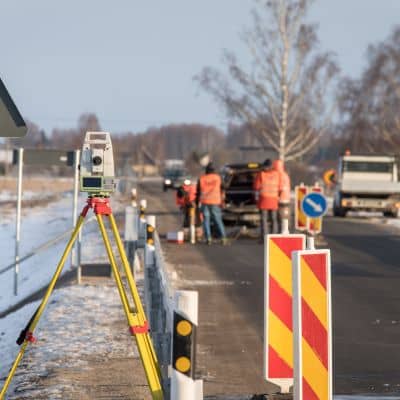
Visual inspections remain important. Inspectors look for cracks, wear, and damage. However, visual checks cannot show slow land movement.
Topo surveys fill that gap. They show elevation changes that the eye cannot detect. When engineers review topo data alongside inspection notes, they gain a better understanding of site conditions.
This data helps teams decide where to focus attention. It also supports stronger repair plans. Decisions become based on facts, not guesses.
As a result, topo surveys support safer infrastructure management.
Why Documentation Matters After Failures
After infrastructure failures, people ask hard questions. They want to know what went wrong and why. In those moments, documentation matters.
Topo surveys create clear records. These records show what land conditions looked like at a specific time. That information helps agencies show they acted responsibly.
Good records also support long-term planning. When teams track land changes over time, they manage risk better. They can show that decisions were based on real data.
As public oversight grows, clear land data becomes more important.
Who Benefits From Updated Topo Surveys
Topo surveys support more than city agencies. Many groups benefit from updated land data.
Developers working near bridges rely on accurate land information. Commercial property owners near public roads also benefit. Engineering firms use this data to manage long-term performance. Municipal teams depend on it for inspections and upgrades.
For these groups, topo surveys reduce uncertainty. They improve coordination between surveyors, engineers, and planners.
When a Topo Survey Becomes a Safety Tool
Topo surveys become especially important during certain situations. Redevelopment near existing infrastructure often requires updated land data. Rehabilitation projects also depend on current measurements.
Follow-up surveys after inspections help confirm stability. They show whether conditions changed since the last review.
By collecting data early, teams reduce surprises. This approach supports safer outcomes and better planning.
Moving Forward With Better Awareness
High-profile failures leave lasting lessons. One lesson stands out. Safety depends on understanding how land changes over time.
Structures may look strong. However, the ground beneath them tells a deeper story.
In Pittsburgh, topo surveys help tell that story. They support safer planning, stronger records, and better decisions. While they cannot prevent every problem, they reduce risk.
Working with a licensed land surveyor ensures decisions rely on current data. In a city shaped by history and movement, that clarity protects lives and investments.
