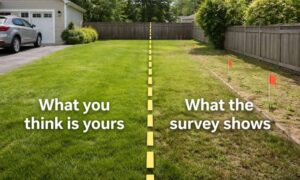

If you’ve looked up a property online recently, you’ve probably seen a clean parcel map showing lot lines, dimensions, and boundaries. At first glance, it feels reliable. Many buyers, developers, and even professionals assume those maps reflect legal reality. However, that assumption is exactly why more deals are running into problems when an alta land title survey is finally ordered. What looks clear on a screen often breaks down once real measurements, legal records, and field conditions come into play.
This growing disconnect isn’t random. It ties directly to how parcel maps are created, how they’re used, and why their limits matter more today than ever before.
Why Parcel Maps Feel Trustworthy at First
Parcel maps are everywhere. County GIS sites, real estate listings, planning tools, and even lender portals use them. Because they are digital, neatly drawn, and easy to access, people naturally trust them.
That trust builds quickly. Early conversations about a deal often rely on parcel maps to discuss access, lot shape, or size. Designers may sketch early concepts using those outlines. Buyers may assume fences, driveways, or buildings line up with the map.
At the same time, few people stop to ask how accurate those maps really are. Most parcel maps pull from old plats, tax records, or scanned documents. They rarely come from current field measurements. As a result, they work well for general reference but poorly for legal certainty.
The Growing Industry Concern Across Pennsylvania
In the last few years, GIS professionals, surveyors, and land records experts across Pennsylvania have raised concerns about parcel data. Each county manages its own system. Update schedules vary. Source records differ. Accuracy standards are not consistent statewide.
Because of that, two neighboring counties may show parcel data with very different levels of detail and reliability. In some cases, parcel lines appear to line up cleanly on a map even though they do not match deed descriptions or physical conditions on the ground.
This issue has become more visible as more decisions happen digitally. When parcel maps become the starting point for financial or legal decisions, their limitations create real risk.
Why These Problems Stay Hidden Until Late
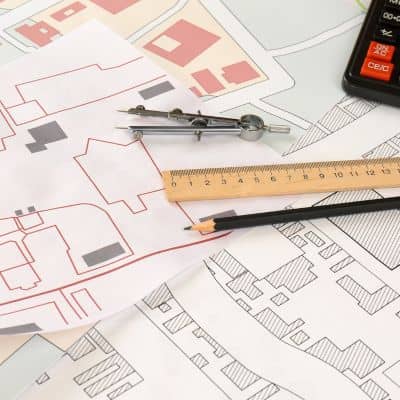
Most real estate transactions move through the early stages without any formal surveying. Deals start with listings, initial reviews, and rough planning, and at that point, parcel maps usually seem accurate enough to rely on.
It isn’t until much later—often right before closing—that a lender or title company asks for the survey required for closing. That’s when deeds, recorded documents, and field measurements finally come into play, and early assumptions start to fall apart.
Suddenly, boundaries don’t line up. An access drive shown online doesn’t have legal backing. A building sits closer to a property line than expected. An easement appears that no one anticipated.
Because these discoveries happen so late in the process, the impact feels bigger. Timelines tighten. Costs increase. Tension builds between buyers, sellers, lenders, and attorneys.
The ALTA Survey Isn’t Causing the Problem
It’s important to say this clearly: the ALTA survey is not the source of the issue. Instead, it reveals what already existed.
Parcel maps often smooth over inconsistencies. They present a simplified version of reality. The ALTA survey removes that filter. It shows legal boundaries as they truly stand, even when that reality feels inconvenient.
This is why ALTA surveys sometimes get blamed for “creating delays.” In truth, they are doing exactly what they are meant to do: expose conflicts before money changes hands.
Why Pittsburgh Sees This More Often
Pittsburgh’s property history makes these issues more common. Many parcels trace back decades, sometimes over a century. Properties have been divided, merged, or repurposed multiple times. Industrial land has shifted into commercial or residential use. Older records may not align cleanly with modern mapping systems.
Additionally, parcels often follow irregular shapes instead of neat rectangles. When those shapes get digitized, small distortions can turn into big misunderstandings.
Because of this, parcel maps in the region can look precise while hiding important legal details. Once an ALTA Land Title Survey enters the picture, those gaps become visible.
How These Issues Affect Real People and Real Deals
For buyers, unexpected survey findings can trigger renegotiations or cause deals to fall apart. For lenders, new information may lead to added conditions or delays in approval. For developers, design plans may need revision after time and money have already been spent.
Even sellers can feel the impact. A deal that seemed straightforward may stall while survey findings get reviewed and resolved. All of this creates stress that could have been reduced with better expectations early on.
Reducing Risk Starts Earlier Than Most Think
Parcel maps are not useless. They play an important role in early research. The problem comes from treating them as final authority.
Instead, they should remain reference tools. When a property shows irregular boundaries, shared access, or a long ownership history, involving a licensed surveyor early can help. That doesn’t always mean ordering a full survey right away. It means understanding what the parcel map cannot tell you.
By setting realistic expectations, buyers and developers can avoid surprise and frustration later.
The Big Takeaway: The Map Is Not the Boundary
Parcel maps make property information accessible. That’s a good thing. However, accessibility does not equal accuracy. Legal certainty still depends on records, measurements, and professional review.
An ALTA Land Title Survey doesn’t slow deals down. It protects them. It brings clarity where assumptions once stood. In a market like Pittsburgh, where property histories run deep and parcel data varies widely, that clarity matters.
When people understand the limits of parcel maps, they make better decisions. They plan more carefully. They avoid last-minute surprises. Most importantly, they protect their investments before problems become expensive.
In the end, the survey doesn’t change the land. It simply shows the truth that was always there.