
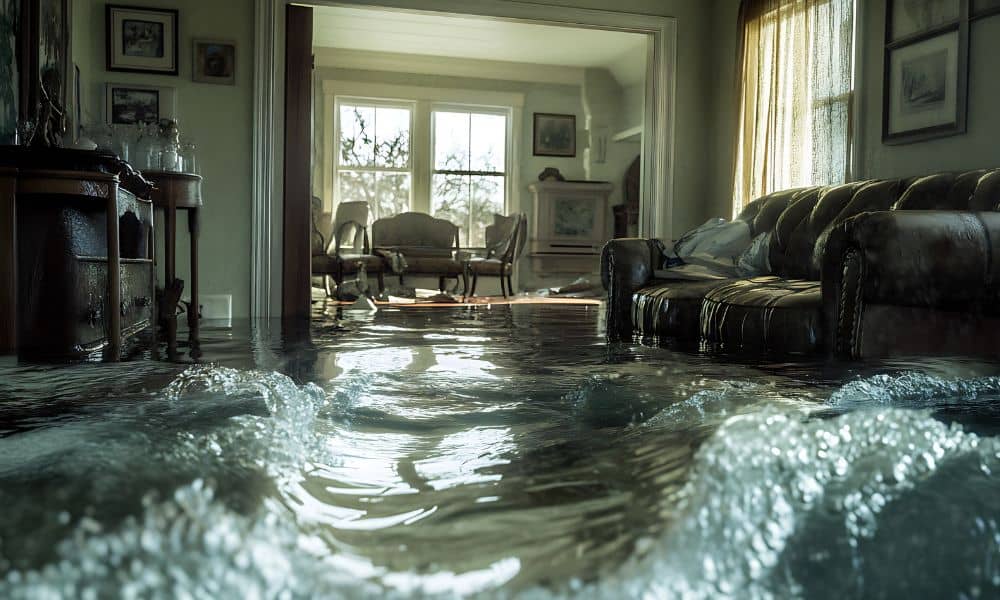
If you live in Philadelphia right now, you’ve probably noticed something worrying: flash flood warnings are popping up more often than ever. Storms are hitting fast, the rain is heavier, and whole blocks can flood before anyone has a chance to react. Many homeowners are trying to solve the problem with sump pumps, sealants, or waterproofing paints. But before any of that works, you actually need to understand how water moves across your land. That’s why a topographic survey is becoming such an important first step in keeping your basement dry this winter.
People usually think water comes from underground pipes or cracks in the wall. Sometimes that’s true, but most of the time, the water that floods basements actually comes from the surface. The rain hits your driveway, backyard, alley, walkway, or patio, and follows the path of least resistance. If the ground slopes even slightly toward your home, it will push stormwater right into your foundation. And in Philly, we have plenty of places for water to get trapped.
Philly Storms Are Getting More Intense
In the last few months, social feeds have been filled with videos of cars floating down streets, sidewalks underwater, and neighbors scrambling to protect their homes. These storms aren’t slow and predictable. They dump inches of water in a short burst, and that sudden impact is what makes them so dangerous.
A 20-minute cloudburst can cause more water damage than a full day of steady rain. And because storm drains can’t always handle that fast rush of water, it spills into the lowest areas… sometimes straight into a basement.
Basements Take the Biggest Hit
Philadelphia’s layout doesn’t help. Narrow yards, sloped driveways, concrete patios, older streets, and below-ground basements create the perfect setup for flash flood damage.
On some blocks, one house will stay dry during a storm while the one next door floods badly. To most homeowners, that makes no sense. But the truth is, one tiny change in elevation can change everything. Sometimes just one inch of slope decides who gets hit and who doesn’t.
The Elevation Problem You Can’t See
Most flood issues aren’t dramatic or obvious. You can’t stand in your yard and notice a two-inch dip. You won’t spot a slight downward angle along the walkway. You can’t eyeball the way water runs along the fence line. Surface runoff is almost always invisible until it’s too late.
That’s where a topographic survey helps. It shows the true shape of your land, even the tiny elevation changes that influence drainage. It reveals the high spots, the low points, where rain naturally collects, and where it tries to escape during a storm. Seeing all of this laid out makes it easier to learn how elevation shapes water flow, and why some basements flood while others stay dry.
How a Topographic Survey Helps You Protect Your Basement
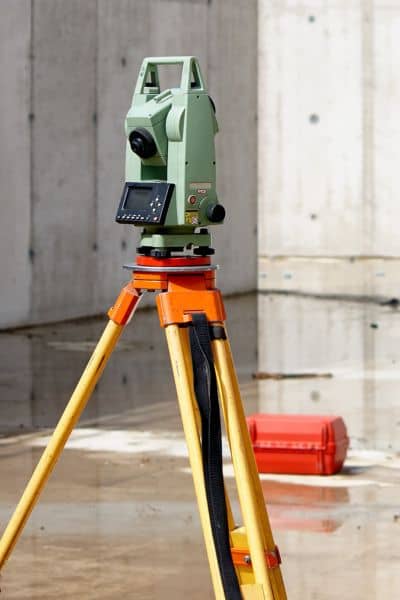
Instead of guessing, you finally get answers. Instead of reacting, you prevent it. A topographic survey helps you spot low areas beside the foundation, identify backwards-sloping driveways, confirm water traps behind patios, plan drainage updates correctly, and fix pooling problems before winter. And because the data is precise, you can make smart decisions without wasting money.
Some homeowners install expensive waterproofing systems only to find out later the water was entering from the backyard slope the entire time. A topographic survey helps you avoid that mistake.
A Real Example From Right Here in Philly
A homeowner in South Philly struggled with basement flooding for almost two years. Every hard storm ended with wet floors, box fans, and endless cleanup. He tried patching walls, adding fillers, even installing a sump pump. Nothing worked.
When a surveyor measured the property, they discovered the real cause. The concrete patio sloped slightly toward the back wall of the house. Not enough to notice, but enough to trap water directly against the foundation.
Once the issue showed up in the survey, the fix became simple. They lifted a section of the patio by half an inch, installed a small drain, and redirected the water toward the alley.
After that, five storms passed. Zero flooding.
Why Winter Makes the Problem Worse
Winter makes water damage more aggressive. When freezing temperatures hit, water trapped against the house expands inside cracks and makes them larger. Meanwhile, constant moisture lowers the temperature around the foundation, and that allows mold to spread faster. Frozen ground also blocks natural drainage paths, which forces water to move in unnatural directions.
If the next flash flood hits when the yard is frozen solid, water has nowhere to escape except into the home. That’s why acting now matters.
How to Tell If You Need a Topographic Survey
Think about the past few storms.
Did you notice water pooling near your steps? Does the backyard take hours to drain after rain? Does runoff slide across your patio and toward the wall? Has your basement felt damp after storms? Does water seem to be coming from your neighbor’s direction?
Even one “yes” means you should look deeper.
A survey provides clarity before damage grows.
Final Thoughts
Flash flood warnings are becoming a normal part of life. Storms are stronger, faster, and more intense than ever. And while waterproofing products help, they only work when you understand how rain reaches your basement in the first place.
A topographic survey gives you that understanding. It shows how rain moves across your land, where it collects, and what needs attention before the cold weather arrives. With that knowledge, you can protect your basement, your foundation, and your peace of mind.
If storms are getting stronger, your preparation needs to get smarter. Start by understanding the ground below your feet. That is how you stay dry this winter.
