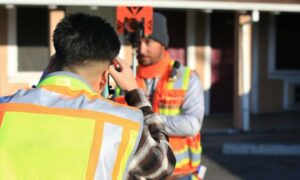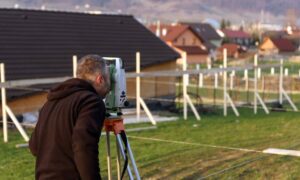

Pittsburgh’s Strip District is changing fast. New apartments, shops, and mixed-use buildings are moving from plans into real construction. Because of this growth, construction surveys now matter more than ever. Before builders pour concrete or raise steel, surveyors must place every part of the project in the correct spot. When this step is skipped or rushed, problems can appear right away.
As redevelopment moves into crowded city spaces, accuracy becomes critical. Developers, contractors, and property owners all rely on clear survey data. This data helps avoid delays, mistakes, and added costs.
The Strip District Is Moving From Planning to Building
The Strip District has always been one of Pittsburgh’s busiest areas. Recently approved redevelopment plans aim to combine housing, grocery stores, offices, and public spaces. While planning approvals often make the news, the real work starts after approval.
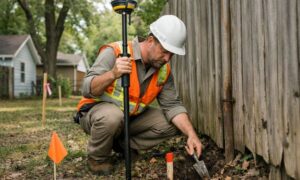
Once the city signs off on a project, construction begins. At that stage, surveyors guide the work. They mark where buildings should go and set the correct elevations. They also help crews follow the approved plans. In a tight area like the Strip District, there is little room for error. Every measurement counts.
Why Construction Surveys Matter in Dense City Areas
Urban redevelopment brings special challenges. Unlike open land projects, Strip District sites sit close to roads, sidewalks, utilities, and other buildings. Because of this, construction surveys help control the entire project.
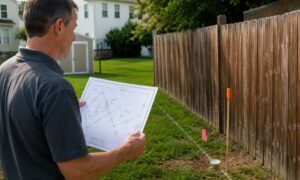
Surveyors make sure buildings stay within property lines. They also confirm that construction meets city rules. In addition, they help crews place foundations, walls, and utilities correctly. When survey data stays accurate, work moves forward smoothly. When it does not, delays and disputes often follow.
Pittsburgh’s older neighborhoods add another challenge. Many lots have unusual shapes. Older infrastructure can also limit design choices. Surveyors help teams adjust while still following city rules and approved plans.
How Construction Surveys Support Each Stage of Work
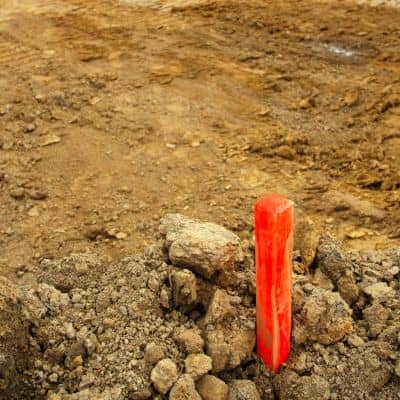
Construction surveys do not happen just once. Instead, they support a project from start to finish.
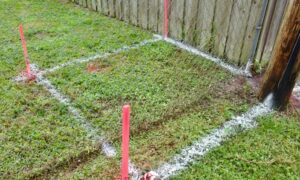
At the beginning, surveyors set control points across the site. These points guide all future work. Next, layout surveys help crews place foundations, walls, and utilities in the right locations.
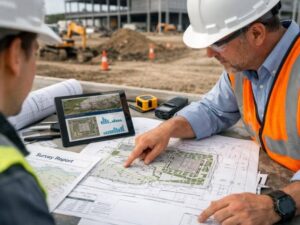
As construction continues, surveyors return to check progress. They confirm elevations, alignments, and placements. Later, as-built surveys show what was actually constructed. These records help with inspections, final approvals, and future repairs.
Because Strip District projects often move in phases, surveyors stay involved longer. This ongoing role explains why demand keeps growing.
Avoiding Costly Construction Mistakes
Small mistakes can lead to big problems. A foundation placed just a few inches off can affect drainage, access, or nearby properties. In crowded areas, these issues grow fast.
Construction surveys help catch problems early. Surveyors check layout before concrete is poured. They also confirm elevations before grading or paving begins. Because of this, crews avoid rework and delays.
For developers, this accuracy protects their investment. For contractors, it keeps schedules on track. For property owners, it helps ensure buildings meet city requirements.
Why Local Survey Experience Matters
Pittsburgh’s hills, rivers, and older infrastructure make construction more complex. Local construction surveyors understand these conditions because they work with them every day.
In the Strip District, surveyors often work closely with engineers, inspectors, and utility companies. This teamwork helps projects pass inspections without surprise issues. When surveyors know local rules and site challenges, they provide more than basic measurements.
How Redevelopment Creates Ongoing Survey Demand
Large redevelopment projects change how surveying firms operate. Instead of one-time surveys, firms support long construction schedules. They must respond quickly as plans change and work moves forward.
This demand favors surveyors with skilled staff and modern tools. It also creates steady work as Pittsburgh redevelops older areas. For developers, choosing the right surveyor becomes an important business choice.
What Clients Should Expect From Construction Surveys
If you plan to build, expect construction surveys to guide your project from start to finish. A reliable surveyor will communicate clearly and respond quickly.
They should also explain results in simple terms. Clear communication helps engineers, builders, and inspectors stay aligned. When everyone understands the survey data, construction runs more smoothly.
What the Strip District Shows About Pittsburgh’s Future
The Strip District is only one example. Across Pittsburgh, former industrial areas are becoming active neighborhoods. Each project increases the need for accurate construction surveys.
As the city grows inward and upward, space becomes tighter. Because of this, precision matters even more. Surveyors play a quiet but important role in shaping Pittsburgh’s future.
Final Thoughts:
The Strip District redevelopment shows how planning turns into real construction. Behind every new building is a construction survey guiding the work. These surveys help prevent errors, protect investments, and keep projects moving.
As Pittsburgh continues to grow, construction surveys will remain essential. For anyone building in the city, understanding their value is key to a successful project.