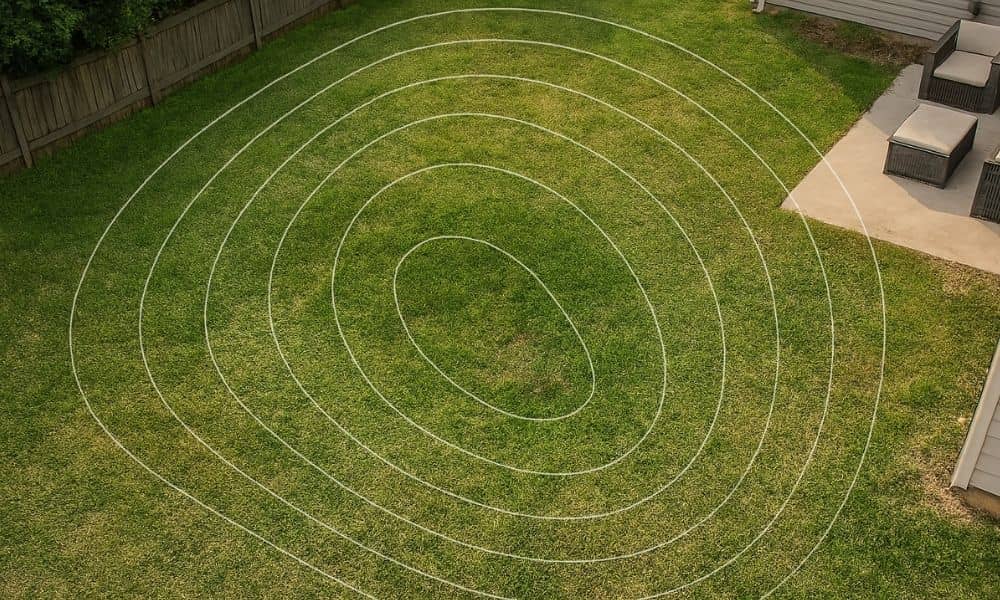
If your yard floods every time it rains, you’re not the only one dealing with this problem. Many homeowners see water pooling in the same spots, damp basements after storms, and muddy patches that never fully dry. Contractors may blame “low spots,” and neighbors may offer their own theories, but none of that gives you real answers. You need to understand how water moves on your property. That’s why LiDAR mapping helps so much. It shows the true shape of your land so you can see where water goes before spending money on repairs or regrading.
Most people don’t realize Philadelphia provides free elevation data built from LiDAR scans. These scans create detailed maps of high and low areas around homes, driveways, alleys, and nearby streets. When you look at them, you start seeing how water flows across your property. That information helps you avoid guessing and prevents you from hiring someone to fix the wrong issue.
What LiDAR Mapping Actually Shows You
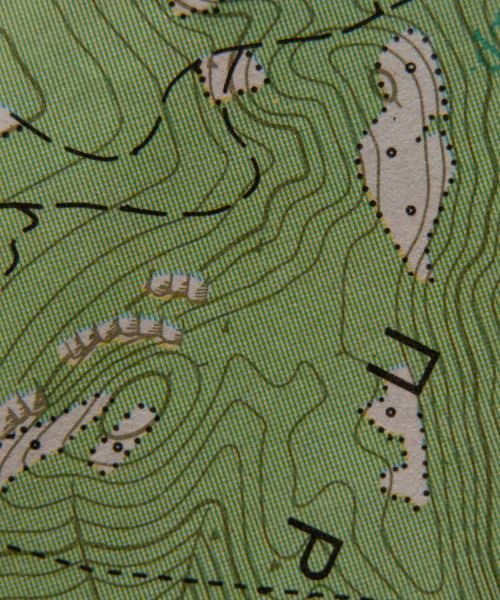
LiDAR mapping sounds technical, but the idea is simple. LiDAR works like a laser-based measuring tool that builds a 3D picture of the ground. The city collects this data and turns it into elevation maps you can view online. These maps show rises and dips that you might not notice while standing in your yard. That matters because most drainage issues connect directly to changes in ground height. Even a few inches can push water toward or away from your home.
One of the most useful tools for homeowners is the one-foot contour map. Contours look like curved lines across a map, but each line represents a specific height. When the lines move downhill, water follows that path. If the lines dip toward your foundation, water ends up there. If they dip toward a back corner, that explains why puddles always collect in that spot. As you start noticing these patterns, you’ll understand why many people use lidar mapping Philadelphia resources when they want a clearer look at how their yard fits into the surrounding landscape.
How to Compare the Map With Real-World Clues
As you explore the LiDAR maps, match what you see with what happens on your property after rain. Maybe the map shows a small low point along your foundation, and you notice water gathering there during storms. Or maybe the map shows your entire yard sits slightly lower than your neighbor’s property. That difference sends extra runoff your way, even if the slope seems minor when you look at it in person.
When these clues line up, the cause of your drainage problem becomes obvious. Instead of wondering why water won’t drain, you see the exact shape that traps it. That understanding helps you choose the right fix instead of guessing.
Why LiDAR Mapping Helps You Avoid Wrong Repairs
Drainage issues can come from more than one direction. Your yard might slope toward the house, and your neighbor’s yard might slope toward yours. Or maybe a flat-looking yard has a hidden dip right in the center. Without elevation data, these details stay hidden. With LiDAR mapping, you finally see the overall picture.
This matters because homeowners often spend money on the wrong repairs. They install drains or dig trenches before understanding the slope, and the fix doesn’t solve anything. When you start with LiDAR mapping, you avoid that frustration. You talk to contractors or surveyors with real information instead of guesses. You point out the low areas and show where water collects. That makes the conversation easier for everyone and leads to better solutions.
When LiDAR Mapping Is Not Enough
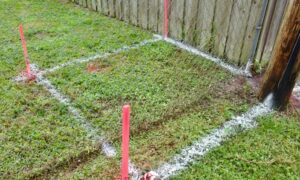
Although LiDAR mapping gives you a strong understanding of your property, it doesn’t replace a professional survey. The maps show general slopes, but they don’t capture small details that matter in construction or grading work. For example, the map won’t show the exact height of your basement door, the grade next to your walkway, or changes made after the last LiDAR scan. Those details matter when designing a drainage system that works all year long.
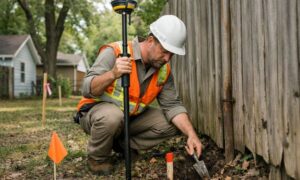
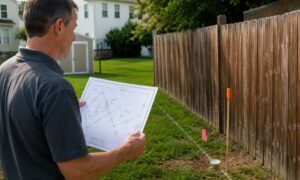
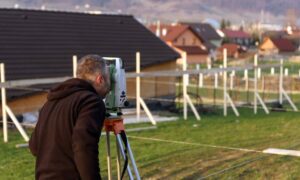
If the map shows a gentle slope toward the house, you might try adjusting downspouts or improving soil grading. But if it shows a large low area across the yard, a topographic survey becomes the smarter next step. Surveyors collect exact elevation points and measure important features so engineers or contractors can design effective solutions. This includes regrading plans, swales, and French drains that move water away from your home for good.
How LiDAR Helps You Understand Your Lot’s Unique Shape
Philadelphia lots have many shapes. Some rowhomes sit on narrow, deep parcels that tilt toward the back. Others have dips left over from old foundations or filled ground. Even small elevation changes can affect drainage. When you see these differences on a LiDAR map, you understand how your property fits into the bigger landscape.
Sometimes the problem starts just outside your property line, such as runoff from a neighbor’s yard or water flowing from an alley. Knowing that helps you plan realistic solutions instead of blaming the wrong thing.
Why Starting With LiDAR Mapping Saves Money
The biggest benefit of LiDAR mapping is simple: it helps you avoid spending money on the wrong fix. When you understand your yard’s shape, you make better decisions. You ask better questions. You hire the right person for the right job. Instead of hoping a contractor solves your problem, you already know where the issue starts.
LiDAR mapping gives you control. You study your property, observe how water behaves, and see the evidence before hiring anyone. With that knowledgef, you protect your home, your wallet, and your peace of mind.
Before you hire anyone, take time to explore your property using LiDAR mapping. It may reveal the real cause of your drainage issues. Once you understand the shape of your land, you know exactly where the water wants to go—and that helps you choose the right solution the first time.