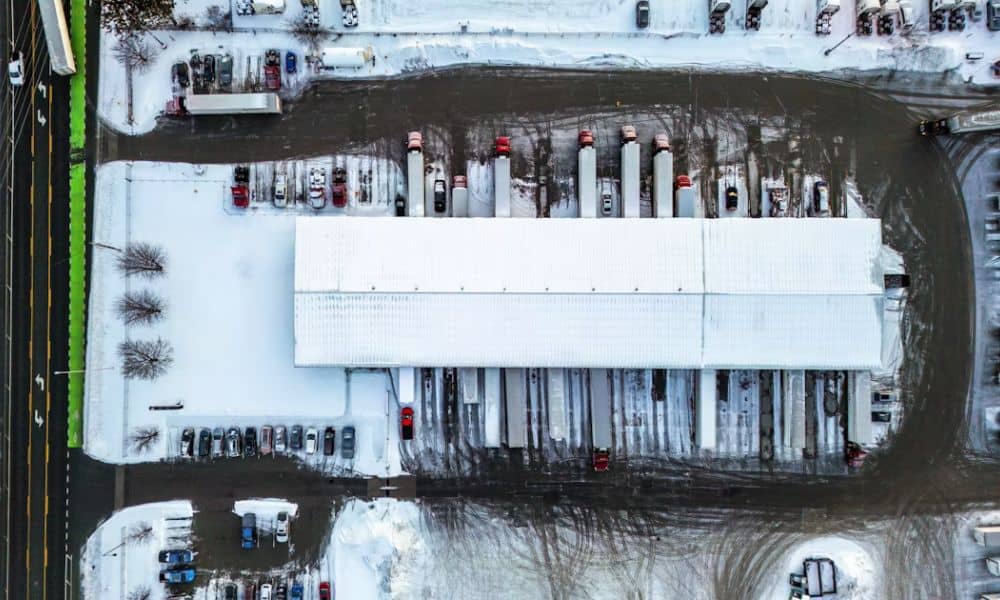
A cold storage property depends on much more than the insulated building in the middle of the lot. Trucks back into dock doors all day and trailers wait in staging rows. Refrigeration and power equipment often sits on pads outside the walls. An ALTA survey shows how all of these pieces sit on the land you plan to buy, finance or insure. It also shows whether the recorded rights match what you see on site.
That question carries real weight in Allentown. The Lehigh Valley serves as a food distribution crossroads for the Northeast. One existing Allentown cold storage facility recently added more than 325,000 square feet of temperature-controlled space. Buyers, lenders and developers looking at this type of property need a clear picture of the site before they commit.
Where the Cold Storage Site Extends Beyond the Building
An ALTA/NSPS Land Title Survey maps the property boundaries. It also shows the substantial improvements the surveyor observes on the ground. On a cold storage site, those improvements usually spread well past the building walls. The survey plots each one against the boundary lines, so the deal team can see what sits inside the parcel and what doesn’t.
Picture everything a working facility uses outside. The drawing can show truck courts, trailer staging lots, guard booths, fencing and gates. It can also show generator pads, fuel tanks and slabs for refrigeration equipment. Some sites also have stormwater basins or retaining walls along the edges of large paved areas.
The drawing also shows when something crosses a line. A fence might sit partly on a neighbor’s lot, or a neighbor’s paving might run onto yours. When you catch that on paper before closing, everyone has time to sort it out. The fix might come through deeds, a written agreement or a change to the purchase plan.
Access and Easements That Can Affect Cold Storage Operations
An ALTA survey shows where trucks physically enter the property and whether the record supports that access. A cold storage facility can’t run without steady truck traffic, so access deserves close attention. The surveyor shows where each driveway meets the public road. The survey also shows whether the parcel touches that road directly or reaches it across someone else’s land.
The surveyor works from the title commitment and the recorded documents the title company provides. The surveyor plots the easements that can be located from their written descriptions. The surveyor also notes the ones that can’t be placed on the map. That second group still matters, because a vague easement can cover more ground than anyone expects.
Watch for easements that cross working areas. A utility easement under the truck court could let a utility company dig up the pavement for repairs. An access easement across a corner of the lot might let a neighbor drive through your staging area. The survey shows where these rights fall, and your attorney can explain what they allow.
How an ALTA Survey Documents Loading and Site Improvements
An ALTA survey records the loading and site improvements that exist when the field crew visits. On a cold storage property, that usually means the dock face along the building and the paved apron in front of it. It also covers the areas where trailers wait. The survey shows these features in their measured locations, so the buyer can compare the real site with old plans or marketing materials.
Table A is the list of optional items in the ALTA/NSPS standards. Through Table A, you can ask the surveyor for more detail, such as parking spaces and striping. Before field work starts, talk with your surveyor about which features you need shown clearly:
- Trailer stalls and the striping that marks them
- Depressed truck wells and the retaining walls beside them
- Curbs, gates and fence lines around the yard
- Electrical pedestals that power refrigerated trailers
- Drainage inlets in the truck court
The survey shows where these features sit. It doesn’t test whether a 53-foot trailer can make the turn into a dock. It also doesn’t show whether the yard holds enough trailers for a tenant’s schedule. A site engineer or the tenant’s operations team can answer those questions using the survey as a base.
Utility Evidence That Deserves Attention Before Closing
An ALTA survey shows the utility evidence a surveyor can see on the property. That includes transformers, poles, manholes, valves, meters, hydrants and fire department connections. Cold storage buildings draw heavy electrical loads and depend on fire protection water. That makes this visible evidence worth a careful look.
Showing underground lines takes more work. Table A includes an optional utility item. What that item delivers depends on the scope you agree on and the utility markings on site during field work. It also depends on the plans or records the surveyor can get. The final drawing should state which sources the surveyor used.
Even a detailed utility drawing has limits. The survey won’t confirm a line’s size, condition or capacity. It also won’t tell you whether the power service can handle more freezer space. If you plan to expand or change how the building runs, ask the utility providers and an engineer about capacity.
What the Survey Tells the Deal Team Before Closing
The survey gives the buyer, lender, title company and attorney one shared drawing of the property as it stands. Each reader looks for something different. The lender checks that the collateral matches the legal description. The title company reviews survey matters that may affect its policy. The buyer looks for anything that could interrupt daily truck traffic.
Most red flags fall into a few groups. An improvement crosses a boundary or an easement runs under a working area. Access may depend on an unclear agreement, or visible evidence may not match the record. None of these automatically ends a deal, but each one needs an answer before closing.
Order the survey early. Send the surveyor the title commitment and recorded documents as soon as you have them. Pick your Table A items before the crew heads out, since adding scope later can mean a second site visit. The survey reports on boundaries, improvements and record matters. It doesn’t certify the refrigeration system, the building’s condition or whether the site suits a particular operation.
Frequently Asked Questions
Can an ALTA survey show whether a cold storage building crosses a property line?
Yes. The surveyor measures the building and other substantial improvements, then plots them against the surveyed boundaries. If a wall, canopy or equipment pad extends past a line, the drawing shows where and by how much. That gives the buyer and title company a clear starting point for working out a fix.
Can an ALTA survey identify railroad access serving a cold storage property?
If a rail spur sits on or next to the parcel, the surveyor can show the track location as an observed improvement. The surveyor can also plot any rail easements or agreements that appear in the title documents. Some cold storage operators list rail service among their capabilities, so this question comes up in this market. The recorded documents determine whether the property actually holds the right to use the line, and an attorney should review them.
Does an ALTA survey verify cold storage refrigeration equipment?
No. A land title survey covers land, boundaries and improvements, and the refrigeration system falls outside that scope. A mechanical engineer or refrigeration contractor should inspect the compressors, condensers and controls. The survey can still show where the outdoor equipment pads sit in relation to the property lines.