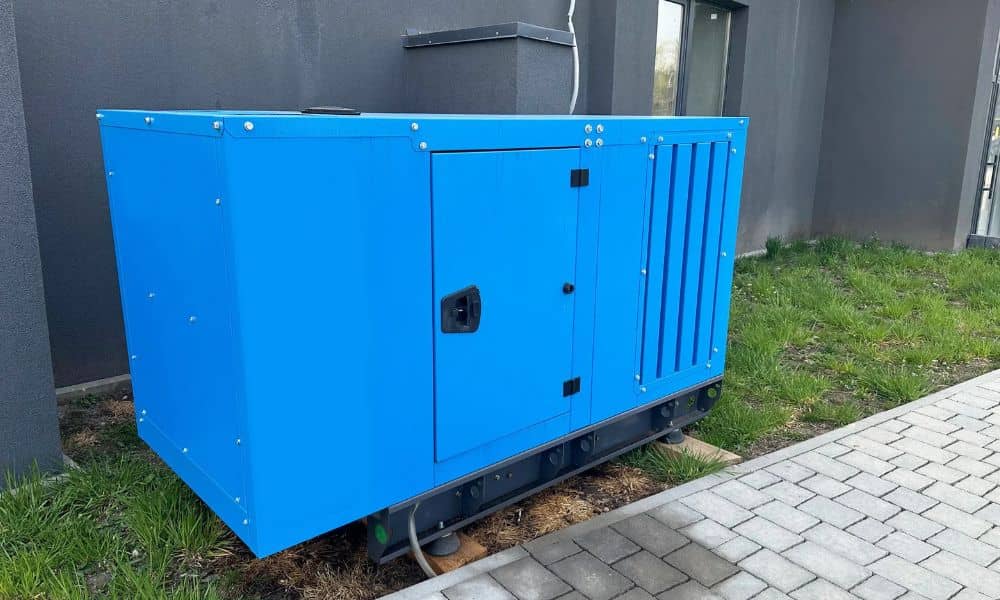
A data center generator yard packs a lot of heavy, exact work into a small patch of ground. Pads, fuel tanks, conduit stub-ups, duct banks, grounding and fencing all have to land where the drawings put them. Several crews usually work in that space at the same time, and one misplaced pad can throw off everything that connects to it.
A construction survey gives the yard one set of control points and one layout source. Every trade then builds from the same numbers instead of measuring off each other’s work. For developers and general contractors, that shared reference is what keeps a generator row lined up with its conduit, its fuel system and its finished grade.
That need is growing around Harrisburg as large power users look at the region. In Dauphin County, a 250-acre golf course in Swatara Township and Steelton was sold for a planned data center, and securing water and power access is among the conditions before construction. Projects like that can put a large amount of standby generation on one parcel, so the yard layout has to be settled before the first pad is formed.
Lock Survey Control Before Generator Yard Work Spreads
Survey control is a set of fixed reference points with known positions and elevations. Crews use these points to stake pads, check grades and locate buried work. On a generator yard, the surveyor should set control before excavation starts and before trenching crews arrive.
Place control points where digging, stockpiles and crane traffic won’t reach them. A point near the pad area may be convenient on day one, but it rarely survives the first week of duct bank work. The surveyor should also tie the control to the same coordinate system and vertical datum used on the civil and electrical plans. Many site plans use state plane coordinates and NAVD 88 elevations, but confirm what your engineer actually used.
Ask the surveyor for a control sheet that lists each point with its coordinates and elevation. Share it with every trade that will do its own layout. If a point gets bumped or buried, have it reset and checked against the others rather than estimated from a nearby stake.
Lay Out Generator Pads From One Coordinated Site Plan
Generator pads should be staked from one current set of drawings that the civil, electrical and structural teams have already reconciled. Each discipline draws the yard for its own purpose. The civil sheet shows pad location and grading, the electrical sheet shows conduit and duct bank routes, and the structural detail shows pad size, thickness and embedded items.
Those sheets don’t always agree. A pad might sit a foot off from where the duct bank expects to enter it, or the stub-up pattern might match an older generator model. The surveyor can build the layout file from the approved drawings and flag mismatches before anything goes in the ground.
What to confirm before staking
- The latest drawing revision for civil, electrical and structural sheets
- Approved equipment submittals, since pad size and stub-up locations depend on the generator model
- Anchor bolt patterns and any embedded plates or sleeves
- Fuel tank footprints, fill points and containment areas
- Clearances the engineer or equipment maker requires around each unit
Pads are usually staked with offset marks so excavators don’t knock them out. Pad corners, centerlines, anchor bolt points and conduit stub-up locations may all need their own marks. Talk through with your surveyor which points your crews need and in what order.
Check Elevations Where Heavy Equipment Meets Finished Grade
Each pad’s top elevation has to match the design, and the ground around it has to drain away from the equipment. That sounds simple until you count the transitions. A generator yard may include raised pads, gravel surfaces, paved access for fuel trucks, crane setup areas and sidewalks to fill points.
Elevation checks help at several stages. The surveyor can verify subgrade and stone base before forms go up, then shoot the top of the forms before the pour. After backfill, spot elevations around the pads show whether water will flow toward inlets or pond against the concrete.
Parts of the Harrisburg area sit on low ground along the Susquehanna River. If a site falls near a mapped flood zone, the design team may set equipment elevations with that in mind. Confirm any elevation requirement with the municipality and the engineer instead of assuming a number from another project.
Protect Layout From Conflicts Between Yard Trades
A generator yard crowds several trades into tight quarters. Electrical crews trench for duct banks, another crew lays the grounding grid, and others install fuel lines, storm pipe and fence posts. Each trench can wipe out stakes or disturb what the last crew built.
Staking in sequence helps. The surveyor can mark each trade’s work shortly before that crew starts, which gives fewer marks a chance to get lost. Clear labels on hubs and paint marks tell crews which point belongs to which trade.
It also helps to locate buried work before it’s covered. A quick survey shot on a duct bank or fuel line before backfill tells the next crew where it runs. Keep a simple log of what was staked, when and for which trade, so questions about a missing mark can be answered fast.
Recheck Critical Layout Before Permanent Installation
The last check before a pour or an equipment set is the one that saves the most rework. Once concrete cures around anchor bolts and conduit, moving them means cutting, coring or replacing the pad. Once a generator sits on that pad, the fix gets even harder.
Before the pour, have the surveyor verify form lines, anchor bolt templates, stub-up locations and top-of-form elevations. After the pour and before the generator arrives, an as-built check compares the actual bolts and stub-ups with the equipment maker’s drawings. Tolerances come from the engineer’s specifications and the manufacturer, so get those numbers to the surveyor ahead of time.
Send the results to the engineer, the electrical contractor and the equipment vendor. If something is out, they can decide on a fix while the pad is still open. The final as-built record also gives the owner an accurate map of what sits in the yard for future work.
Frequently Asked Questions
What does a construction survey cover on a generator yard?
It usually includes setting control points, staking pads and anchor bolts, marking conduit stub-ups and checking elevations. The surveyor may also locate buried utilities before backfill and verify pad work before equipment is set. The exact scope depends on the contract and on what the project team asks for.
When should a surveyor get involved on a data center generator yard?
Early is better. Bringing the surveyor in before excavation lets control get placed outside the work area. It also gives the surveyor time to compare drawings and catch conflicts before crews start digging.
Can a contractor’s crew do its own layout from the survey control?
Many contractors do some of their own layout once the surveyor sets control. Pads, anchor bolts and stub-ups are often left to the surveyor because small errors there are hard to fix later. Your contract and specifications should spell out who stakes what.