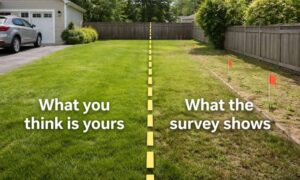
Philadelphia’s historic charm is everywhere—from Boathouse Row to city blocks under redevelopment. If you’re involved in redevelopment, an ALTA survey in Philadelphia can uncover critical issues before they become costly problems. From Fishtown to University City, property transformations are happening fast—but aging buildings, tight lot lines, and unclear records can lead to delays if you’re not careful.
Whether you’re restoring a storefront in South Philly or repurposing a warehouse in Port Richmond, a detailed ALTA survey helps you move forward with confidence and avoid surprises.

Why an ALTA Survey Is More Than Just a Map
If you’re investing in a commercial property in Philadelphia—whether it’s a warehouse in Port Richmond or a mixed-use lot in Queen Village—you need more than a sketch of the land. You need clarity. That’s what an ALTA survey delivers.
Unlike a basic property survey, an ALTA survey pulls together legal, physical, and financial details into one comprehensive report. It’s built to answer key questions before you commit serious money:
- Is the building fully on the lot, or does it encroach onto a neighbor’s land?
- Are there utility lines or access rights that could interfere with your plans?
- Does the property meet local access and zoning requirements?
This survey doesn’t just show where things are—it helps you avoid costly surprises, like delays in zoning approvals, title disputes, or building over easements.
Lenders and title insurers rely on it. So should you.
Whether you’re redeveloping a storefront in Manayunk or converting a duplex in Southwest Philly, an ALTA survey lays the groundwork for confident decision-making.
Why Philadelphia Properties Need ALTA Surveys
1. Philly Has an Older Urban Layout
Philadelphia is one of the oldest cities in America, which means many properties—especially in Center City, Fairmount, and Kensington—come with long histories and unclear records. Property lines may have shifted, documents may be outdated, and past construction may not match legal descriptions.
An ALTA survey helps clear all that up, showing exactly what’s on the land and how it lines up with current legal records.
2. Zoning and Access Are Complicated
If you’re planning to develop in areas like Brewerytown or Port Richmond, you may run into zoning restrictions, shared driveways, or private easements. An ALTA survey outlines all of these clearly, so you don’t end up building on land you don’t own—or worse, violating city codes.
In fact, the Philadelphia Department of Licenses and Inspections may require a certified survey for permit approval depending on the scope of your project.
3. Redevelopment Usually Involves Financing
Most banks, investors, and title insurance companies will require an ALTA survey before financing redevelopment in neighborhoods like Logan Square, Overbrook, or Pennsport. These projects often involve larger sums of money, so lenders want full transparency before approving loans.
Common ALTA Survey Findings in Philadelphia
Here are a few examples of what an ALTA survey might uncover in the city:
- A neighbor’s fence encroaching onto your lot in East Passyunk
- A sewer easement running under a South Street property
- Missing alley access for a duplex in West Philadelphia
- A building extension built outside original property lines in Northern Liberties
These findings aren’t just technical—they can delay permits, derail financing, or lead to major legal costs if not identified early. That’s why a detailed commercial land assessment is more than a checklist item; it’s a smart first step in protecting your investment.
ALTA Survey and Title Insurance: A Must-Have Pair

If you’re buying or redeveloping land in Philadelphia, you’ll also likely be purchasing title insurance. But title insurance is only as good as the data it’s based on.
That’s why title companies use ALTA surveys to confirm that the land matches the legal title and doesn’t come with surprises. Without this survey, you could end up paying for land you can’t fully use.
ALTA Surveys Are Also Critical in Surrounding Areas
Redevelopment isn’t limited to the city’s core. We’ve also seen strong activity in areas like:
- Chestnut Hill – for luxury home upgrades
- Roxborough – where older properties are being modernized
- Northeast Philly (Mayfair, Bustleton) – with growing multi-unit projects
- Southwest Philadelphia – where industrial properties are being repurposed
In all these places, ALTA surveys are just as important for making smart, risk-free investments.
When to Order an ALTA Survey
You should consider ordering an ALTA survey if:
- You’re buying or redeveloping commercial or mixed-use property
- You’re applying for a construction loan or working with investors
- The title company or lender requires it
- The site has unusual features, unclear boundaries, or past disputes
- You’re planning major renovations that involve permits or inspections
What’s Included in an ALTA Survey?
Every ALTA/NSPS land survey is built to meet strict national standards, ensuring consistency across the country—including right here in Philadelphia. These surveys aren’t one-size-fits-all; they’re tailored to what your lender, title company, or local regulations require.
Depending on your property’s location—whether it’s a redevelopment site in Germantown or a commercial lot in Northeast Philly—an ALTA/NSPS land survey can include:
- Boundary lines and corners
- Existing buildings and improvements
- Utility locations
- Access roads and rights of way
- Easements (legal rights others may have on your land)
- Encroachments (where a structure crosses a property line)
- Flood zone information
- Zoning classification
Every ALTA survey is tailored to the project’s needs. Your lender or title company may also request specific optional items known as “Table A” requirements, which add even more detail.
Final Thoughts
Redevelopment in Philadelphia can be exciting and rewarding—but also full of red tape, unknowns, and hidden risks. An ALTA survey is one of the smartest early investments you can make to protect your project from legal and financial surprises.
From Queen Village to Mount Airy and beyond, understanding your land starts with a proper survey.
Ready to Start Your Project?
If you’re planning a redevelopment in Philadelphia or nearby areas, talk to a licensed local surveyor about your options. A quick consultation could save you thousands in the long run.